
How to Actually Plan a Porto Trip
DESTINATION GUIDES
7/6/20267 min read
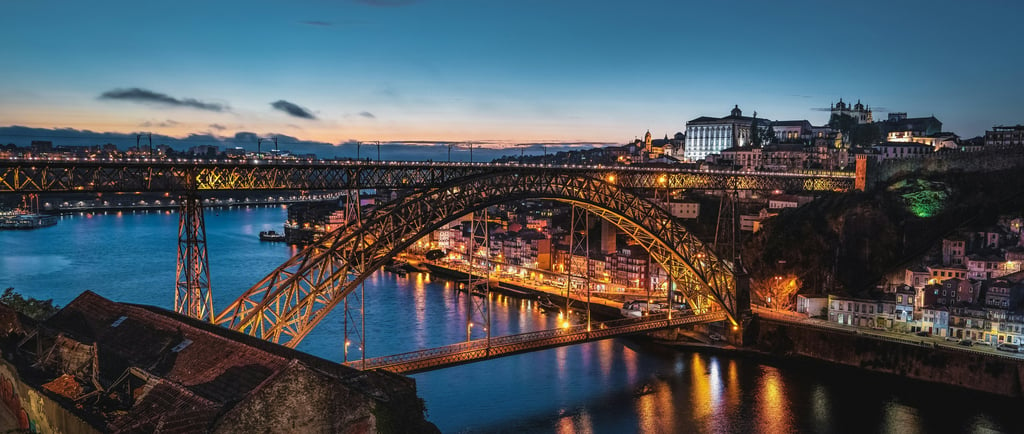
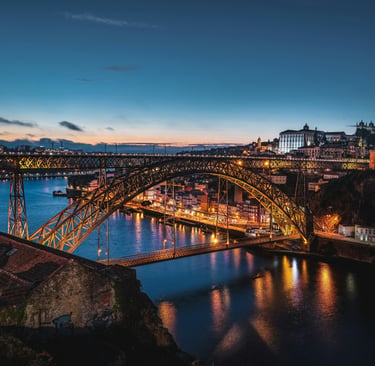
Porto gets treated as Lisbon's quieter cousin, which undersells it. It's a working river city built on a wine trade, with a historic centre steep enough to make you earn every viewpoint, and it's genuinely one of the best-value destinations left in Western Europe. The problem is most guides either rehash the same five photos of the Ribeira waterfront or drown you in port wine trivia and never get to the practical stuff.
This covers the ten things people actually search for when planning Porto: how long to stay, how it compares to Lisbon, when to go, how port wine tasting actually works, where to eat beyond the postcard dish, what it costs, the parts locals keep quiet about, the best day trips, packing, and what to lock in before you land.
This post contains a few affiliate links — if you book through them we may earn a small commission at no extra cost to you. We only link things we'd actually recommend.
## The Only Porto Itinerary You Actually Need
Three full days is the minimum to see Porto properly without rushing — the historic centre (Ribeira, Aliados, Bolhão), a crossing into Vila Nova de Gaia for port wine, and a proper Douro Valley day. Four or five days lets you add Aveiro or Braga/Guimarães as a second day trip without cutting anything from the city itself.
Practical note: Porto's centre is walkable but genuinely hilly — the climb from the riverside up to the Torre dos Clérigos or Bolhão feels steeper than it looks on a map. Budget more recovery time between sights than you would in a flat city like Lisbon's Baixa.
## Porto vs Lisbon: Which Should You Visit First?
They're not really competing for the same trip. Lisbon is bigger, hillier in a sprawling way, and has the trams, the Belém monuments, and a genuinely international food scene. Porto is compact, river-and-wine focused, and can be properly seen in 3–4 days rather than the week Lisbon rewards.
Our take: if you only have one Portugal trip in you, Lisbon is the safer first choice — more to do, easier logistics. If you've already done Lisbon, or you specifically want the Douro Valley and port wine within easy reach, Porto is the better base. Either way, the Alfa Pendular train between them takes as little as 2h35, with fares from around €11.50 booked early — genuinely easy to do both in one trip.
## The Best Time to Visit Porto
June is the standout month — average highs around 22–25°C, minimal rainfall, and the city hasn't hit peak summer crowds yet. May and September are close seconds and slightly cheaper.
July and August are the driest months (averaging just 16mm of rain) but also the hottest and busiest — expect the Ribeira waterfront to be genuinely crowded by midday. Winter (December–February) is mild by northern European standards, rarely dropping below 5°C, but it's wet — 140–160mm of rain a month — which makes it a real trade-off: fewer tourists and cheaper flights, but a real chance of grey, soggy days.
Our take: late May through June, or September, for the best weather-to-crowd ratio. Avoid planning an outdoor-heavy itinerary for December–February unless you're comfortable with rain most days.
## Port Wine Tasting in Porto: What You Actually Need to Know
All the famous port houses sit across the river in Vila Nova de Gaia, not in Porto itself — Taylor's, Graham's, Sandeman, and Cálem are the big four, all within a short walk of each other.
Taylor's (dating to 1692) runs an easy self-guided visit with no reservation required, including a tasting of three ports (an Extra Dry White, a Late Bottled Vintage, and a 10-Year Tawny). Graham's cellar is one of the largest in Gaia and sits right at the foot of the Dom Luís I bridge — it runs more as a drop-in tasting room than a formal tour. Basic tastings across most houses start around €6, with guided cellar tours running higher depending on the ports poured.
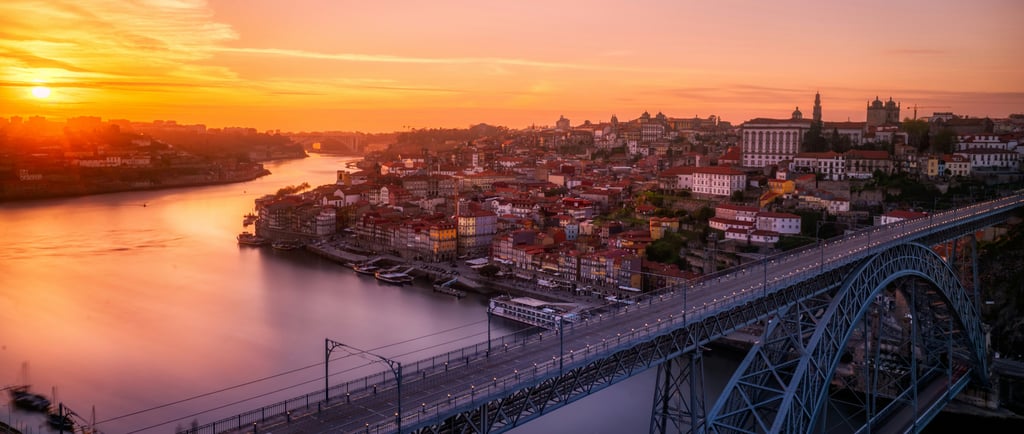
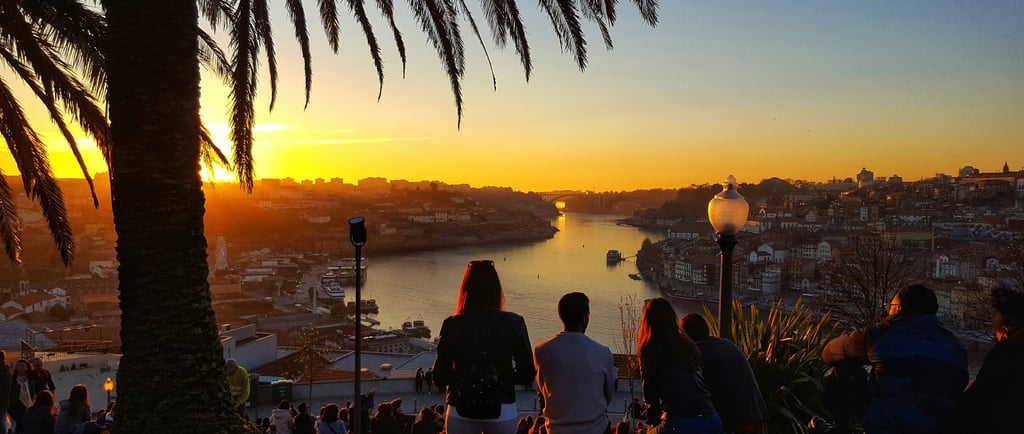
Don't miss: cross the Dom Luís I bridge on foot via the upper deck — it's free, the view back at the Ribeira is the single best photo op in the city, and it's how you get to Gaia in the first place.
Book ahead: Taylor's and Graham's don't require reservations, but the more boutique houses do, especially April–October — worth checking the specific house's site the week before rather than turning up and hoping.
## What to Eat in Porto (Beyond Francesinha)
Yes, eat a francesinha — the sandwich-lasagna of bread, ham, sausage, steak and melted cheese under a beer-and-tomato sauce is a genuine Porto institution, running roughly €7–12 depending on where you go. Café Santiago is the most famous version (expect a queue at lunch), while Bufete Fase does a smaller, spicier, no-frills take that locals rate just as highly — go for whichever has the shorter line when you arrive.
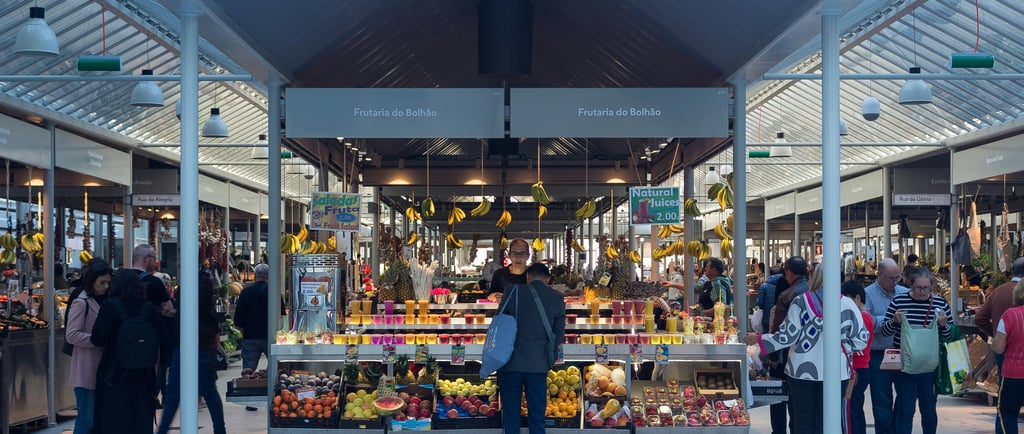
Beyond that: Porto's a proper seafood and petisco (small plates) city if you get off the Ribeira strip. The Bolhão Market area has solid, cheaper local spots than the waterfront, and Capela Incomum, a wine and tapas bar built inside a small 19th-century chapel, is worth seeking out for something that isn't on every "best of Porto" list.
Practical note: restaurants directly on the Ribeira waterfront charge a real premium for the view — walk two or three streets back into the old town for the same quality at a noticeably lower price.
## Porto on a Budget: What It Actually Costs
Porto is genuinely one of the better-value major cities in Western Europe. A single francesinha runs €7–12, a basic port tasting starts around €6, and the Porto–Braga or Porto–Guimarães train is €3.60 each way (no return discount — a round trip is just two singles).
Note on the Porto Card: it's currently unavailable as of mid-2026 (previously €7.50/day, covering discounted entry to 130+ sights). Check porto.travel before your trip in case it's been reinstated — if not, most major sights (Livraria Lello at €10, redeemable against a book purchase) are still affordable bought individually.
Where the real cost lives is accommodation and the Douro Valley day trip if you add a boat cruise — a train-only Douro day can be done for under €30 return, while a boat-and-lunch cruise runs €76–105 per adult.
## Porto Hidden Gems Most Tourists Never Find
Skip the Ribeira for half a day and Porto looks different. Miragaia, just west of the cathedral, is a maze of colourful houses and quiet streets that gets a fraction of the foot traffic of the main tourist route. Foz do Douro, where the river meets the Atlantic, has a proper seaside promenade and none of the crowds. Parque da Cidade, Portugal's largest urban park, sits between Porto and Matosinhos and is where locals actually spend a Sunday.
For something stranger and quieter: the Capela do Senhor da Pedra, a tiny chapel perched almost in the ocean near Miramar beach, a short train ride south of the city centre.
None of these need a full day — they're easy half-day additions to a trip that's otherwise all Ribeira photos and port cellars.
## Best Day Trips From Porto
Porto's compact size and central position in northern Portugal make it an excellent day-trip base.
The Douro Valley is the big one — vineyard-terraced hills along the river, and the train ride itself (Porto to Pinhão, about 2h25, from €12.20 each way) is considered one of the most scenic in Europe. Add a river cruise with lunch for €76–105 per adult if you want the boat as well as the train.
Aveiro, an easy 34-minute urban train ride (frequent departures, roughly €3–4), is the "Venice of Portugal" — canals, colourful moliceiro boats, and a very different pace from Porto. A 45-minute moliceiro boat ride runs about €13.
Braga and Guimarães can both be done in a single day from Porto (each about an hour by train, €3.60 each way) — Braga for its churches and gardens, Guimarães for the medieval castle widely credited as the birthplace of Portugal.
Don't miss: book the Douro Valley train seats in advance for a window seat facing the river — the views are genuinely one-sided, and the scenic side sells out first in summer.
## Porto Packing List: What to Actually Bring
Porto's cobblestones and hills are the thing first-timers underestimate — proper walking shoes matter more here than in most European cities. Beyond that: a light rain layer even outside winter (Atlantic weather turns quickly), a layer for evenings even in summer (the river brings a real temperature drop after sunset), a reusable water bottle, and a portable charger for long days out. If you're doing the Douro Valley by train, bring sunglasses — the river-facing side gets full sun for most of the journey.
## What to Book Before You Land in Porto
A short list of things that either sell out or get pricier the longer you wait: your flights (worth a quick compare on [Skyscanner – flights to Porto (OPO)] before committing to dates), your Porto–Lisbon or Porto–Douro Valley train tickets (worth booking via Trainline – Porto rail tickets] rather than turning up at the station, especially for the scenic Douro line in summer), Livraria Lello tickets (queues run 30–60 minutes April–October without one), and any port cellar tour that requires a reservation.
If you want a guided Douro Valley or port-house tour rather than doing it independently, [ Porto & Douro Valley tours] is worth comparing against booking the train and cellar visits separately — it costs more but removes the logistics.
---
Ready to Plan Your Portugal Trip?
Portugal rewards good planning Our custom Portugal travel itinerary handles all of this: a fully personalised, day-by-day plan built around your budget, the season you're travelling in, and whether you're there for hiking, skiing, cities or all three.
VoyagerStudioz
Sun-drenched guides and custom day-by-day itineraries.
Home-Blog-Itineraries-About
Get in touch
info@voyagerstudioz.com
Custom planning via Etsy
Based in London, mapping the world
© 2026 VoyagerStudioz-Custom day-by-day plans for the deliberate traveler.
Unhurried pace, curated detours