
How to Plan an Italy Trip by Train (Not by Guesswork)
Most Italy guides start with a bucket list., but we Plan your Italy trip by train instead see which cities fit, which routes work, and where to skip the crowds.
DESTINATION GUIDES
7/6/20268 min read
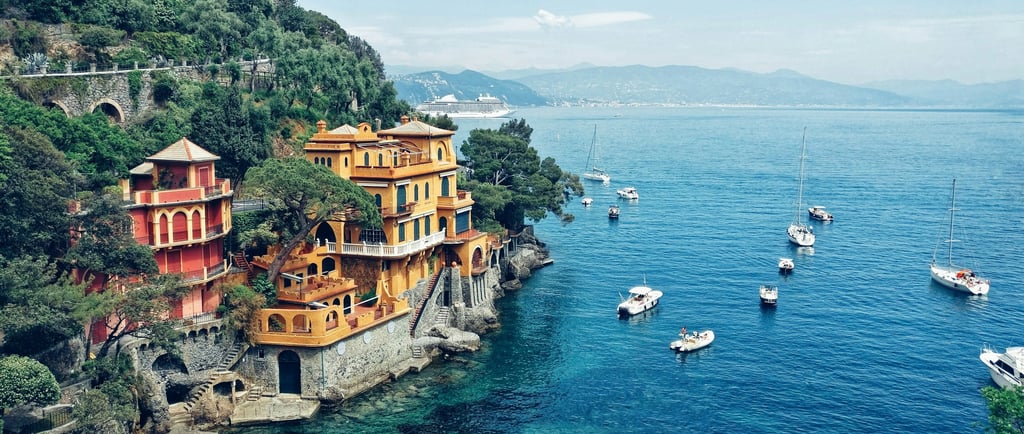
Most Italy guides plan the trip around a bucket list — Rome, then Florence, then Venice, maybe Cinque Terre if there's time — and work out the logistics afterward. That's backwards. Italy's regions are different enough, and the distances deceptive enough, that the trains should decide the shape of the trip before the sightseeing does.
This one's built around that idea: how many cities you can honestly fit in, which train actually gets you there, which city deserves more than its "equal share" of days, the one popular stop that comes with a real catch, and where the underrated country still is once you're off the Rome–Florence–Venice line.
This post contains a few affiliate links — if you book through them we may earn a small commission at no extra cost to you. We only link things we'd actually recommend.
## The Italy Trip Most People Get Wrong
The classic mistake: booking Rome, Florence, Venice and Cinque Terre into a 9-day trip, then discovering that half of it disappears into train platforms, checking in and out of hotels, and rushing the last city because the flight home is booked from there. Italy rewards fewer stops, not more — three well-chosen cities in 10 days beats five rushed ones every time.
The fix isn't a stricter itinerary template. It's deciding train routes first, then fitting the cities you actually want around what the rail network makes easy — which is exactly what the rest of this post is built around.
## How Many Italian Cities You Can Actually See by Train
Italy's high-speed spine runs Turin–Milan–Bologna–Florence–Rome–Naples, with a Rome–Venice line branching off through Florence too. Rome to Florence takes as little as 1h19. Florence to Venice takes about 2h01. Rome to Venice direct runs 3h34 (Italo) to 4h03 (Trenitalia) if you skip Florence.
For a 10–12 day trip, three cities plus one smaller add-on is realistic: Rome (4 days), Florence (3 days), Venice (3 days), with a day trip or two worked in from whichever city is closest to what you want to see. Trying to add a fourth full city — Milan, Naples, or Cinque Terre as a proper stop rather than a day trip — is where trips start feeling like a checklist instead of a holiday.
Practical note: book Frecciarossa or Italo tickets 2–4 months ahead where possible. The same Rome–Florence leg that costs €15–20 booked early can hit €70–80 bought the morning of.
## Frecciarossa vs Italo vs Regionale: Which Train You Actually Need
Italy runs three tiers of train, and mixing them up is the single most common Italy-trip mistake beyond the itinerary itself.
Frecciarossa (Trenitalia's flagship) and Italo are both high-speed, both top out around 300km/h, and both connect the major cities — Rome, Florence, Venice, Milan, Naples, Bologna, Turin. Prices between them differ by roughly €15–30 on the same route, and neither is consistently cheaper — it depends on the day and how far ahead you book. Italo runs high-speed routes only; Frecciarossa's network reaches further into smaller cities.
Regionale trains are the ones to use for shorter hops — day trips to smaller towns, or routes the high-speed lines don't cover. They have a fixed price regardless of when you buy, so there's no early-booking discount to chase, but journeys take noticeably longer.
Our take: book Frecciarossa or Italo as early as you can for the big city-to-city legs, and buy Regionale tickets same-day or whenever suits — there's no cost penalty for waiting on those.
## Rome vs Florence vs Venice: Which City Deserves the Most Days
Splitting a trip evenly across three cities feels fair, but it isn't always the right call.
| | Rome | Florence | Venice |
|---|---|---|---|
| Minimum days to not feel rushed | 4 | 3 | 2–3 |
| Best for | Ancient history, food scene, day trips (Orvieto) | Renaissance art, walkable center, Tuscany day trips | Canals, atmosphere, but repetitive past day 2–3 |
| Museum booking pressure | High (Vatican) | Very high (Uffizi) | Moderate |
| Realistic risk if under-scheduled | Missing the Vatican entirely | Uffizi sells out same-day slots | Overpaying for a 3rd or 4th day that adds little |
Rome earns the most days of the three — it's the biggest city, has the most to actually do, and works as a base for day trips (Orvieto is an hour away by fast train). Venice is the one most people over-allocate; two full days covers the highlights properly, and a third is worthwhile mainly if you're using it for a Burano/Murano day trip rather than more of the same canals.
## The Cinque Terre Trap: What Nobody Tells You Before You Go
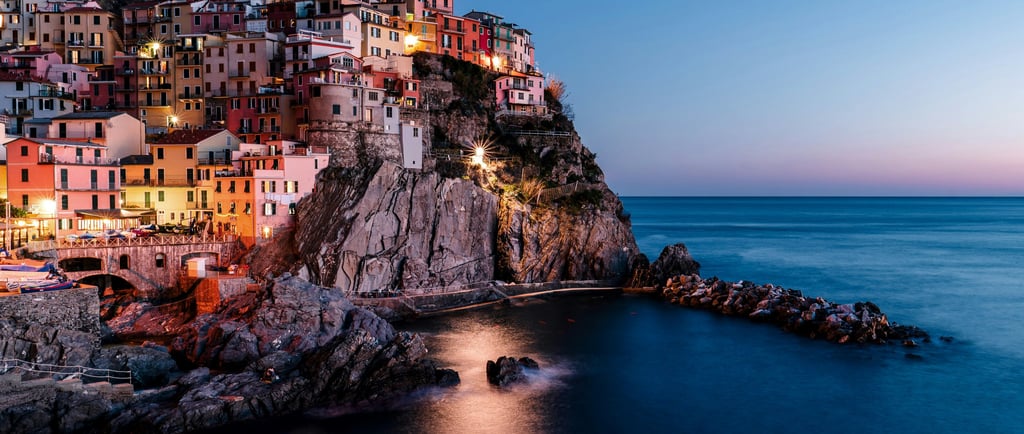
Cinque Terre photographs beautifully, which is exactly the problem. The five villages have a combined population of around 4,000 people and now receive roughly 2.5 million visitors a year — narrow lanes and hiking trails built for a fishing community, absorbing tourist numbers on the scale of a small city.
The practical result: standing shoulder-to-shoulder on the trail between villages in peak season, trains between towns that are frequently standing-room only, and a Cinque Terre Card that's required for inter-village train travel and has risen enough in price to spark real local backlash — the trekking card alone runs €7.50–€15 per day depending on the season, and the train version (which includes unlimited regional trains between the villages) runs €19.50–€32.50 for a single day. The region has reportedly seen a drop of around 50,000 overnight stays compared to the previous year, which some put down to the price increases and the crowding both.
Our take: it's not a "don't go" — it's a "go with your eyes open." Visit as a single day trip rather than an overnight stay, go on a weekday rather than a weekend, and treat it as one stop among several rather than the centerpiece of the trip. If crowds are a dealbreaker for you, the underrated towns below deliver a similar feel with a fraction of the visitors.
## Underrated Italian Towns You Can Reach by Train
If Cinque Terre's crowds put you off, Italy's rail network makes several genuinely underrated towns just as easy to reach.
Bologna is Italy's food capital and gets skipped by itineraries that go straight from Florence to Venice — home of ragù alla Bolognese (properly served with tagliatelle, not spaghetti), fresh tortellini, mortadella, and Parmigiano Reggiano, with a lot less tourist crowding than Florence.
Verona, a quick train from Venice or Milan, has real Roman history (its arena still hosts concerts) and a genuine opera scene, with a far less touristy feel than Venice despite being close by.
Lucca, in Tuscany, is often bypassed for Florence and Pisa, but its intact Renaissance walls and laid-back pace make it one of the more authentic small-city stops left in the region.
Orvieto sits on a volcanic plateau above more than 1,200 Etruscan tunnels, with one of Italy's great Gothic cathedrals — and it's about an hour from Rome by fast train, making it the easiest genuinely different day trip from the capital.
Don't miss: any of these work as a day trip from a bigger base city, so you don't need to restructure your whole itinerary to fit them in.
## What to Eat in Italy (It Changes Completely by Region)
Italian food isn't one cuisine, and ordering "Italian food" the same way in every city misses most of the point.
Bologna: ragù alla Bolognese with tagliatelle, fresh tortellini, mortadella, Parmigiano Reggiano.
Rome: carbonara and cacio e pepe (both built on eggs, cheese and pepper, no cream), plus amatriciana.
Naples: pizza margherita from a proper wood-fired oven (this is where it was invented), sfogliatella for breakfast, spaghetti alle vongole.
Sicily: arancini (fried rice balls), cannoli, caponata, cassata — with real Arab culinary influence showing up as couscous and sweet-savoury combinations you won't find further north.
Practical note: the general pattern holds as you move around the country — northern Italian food is richer and creamier, southern Italian food is spicier, more tomato-based, and leans harder into seafood. Ordering a Roman dish in Bologna, or expecting Naples-style pizza in Milan, is a good way to have an average meal in a country that's exceptional at food everywhere.
## Italy on a Budget: Trains, Tickets, and Where the Money Actually Goes
Train timing is the single biggest lever on cost. A Rome–Florence Frecciarossa booked months ahead can run €15–20; the same route booked the day of travel can hit €70–80 — a gap bigger than most people's daily food budget.
Museum tickets are the other predictable cost: Vatican Museums admission is €20, plus a €5 timed-entry booking fee (€25 total) — worth paying to skip the standby line. The Uffizi in Florence runs €25 for a standard slot, €19 for the early "Prima Mattina" entry (8:15–8:55am), or €16 after 4pm — booking the cheaper time slots is a real, if small, saving repeated across a multi-museum trip.
Practical note: if Cinque Terre is on the itinerary, budget the Train Card cost (€19.50–€32.50/day) into the trip total rather than treating it as a minor add-on — it's required for inter-village travel and isn't optional if you're moving between more than one village.
## Italy Packing List for a Multi-City Train Trip
A multi-city train trip packs differently than a one-hotel holiday. The main rule: one bag you can carry up stairs and onto a train platform without help — Italian stations aren't always escalator-friendly, and you'll be doing this hand-off more times than you expect. Beyond that: comfortable walking shoes for cobblestones (Florence and Verona both have a lot of them), a portable charger for train days, a printed or downloaded copy of your ticket QR codes in case of patchy station wifi, and a light layer — northern cities like Verona and Bologna run noticeably cooler than Rome or Naples even in the same season.
## What to Book Before Your Italy Trip
A short list of things that either sell out or get significantly more expensive the longer you wait: your flights (worth a quick compare on [Skyscanner – flights to Italy] before committing to dates), your Frecciarossa/Italo tickets for the big city-to-city legs (book via Trainline] rather than waiting, since prices climb the closer you get to departure), Vatican Museums and Uffizi Gallery timed-entry slots (both sell out days to weeks ahead in peak season), and your Cinque Terre Card if that's part of the plan.
If you'd rather have a guided day handle the logistics for you a Vatican skip-the-line tour is excellent and one of the best things you can do in Italy— [Vatican City Tour] is worth comparing against booking everything independently.
---
Ready to Plan Your Italy Trip?
Orlando rewards good planning. Our custom Italy travel itinerary handles all of this: a fully personalised, day-by-day plan built around your budget, the season you're travelling in, and whether you're there for hiking, skiing, cities or all three.
VoyagerStudioz
Sun-drenched guides and custom day-by-day itineraries.
Home-Blog-Itineraries-About
Get in touch
info@voyagerstudioz.com
Custom planning via Etsy
Based in London, mapping the world
© 2026 VoyagerStudioz-Custom day-by-day plans for the deliberate traveler.
Unhurried pace, curated detours