
Spain Beyond Barcelona: The Best Cities, Hidden Gems and Everything You Need to Know
Discover the best cities in Spain beyond Barcelona Madrid, Seville, Granada, San Sebastián. Budget guide, food tips and 2-week itinerary included.
UNDERRATED DESTINATIONSDESTINATION GUIDES
7/3/20267 min read
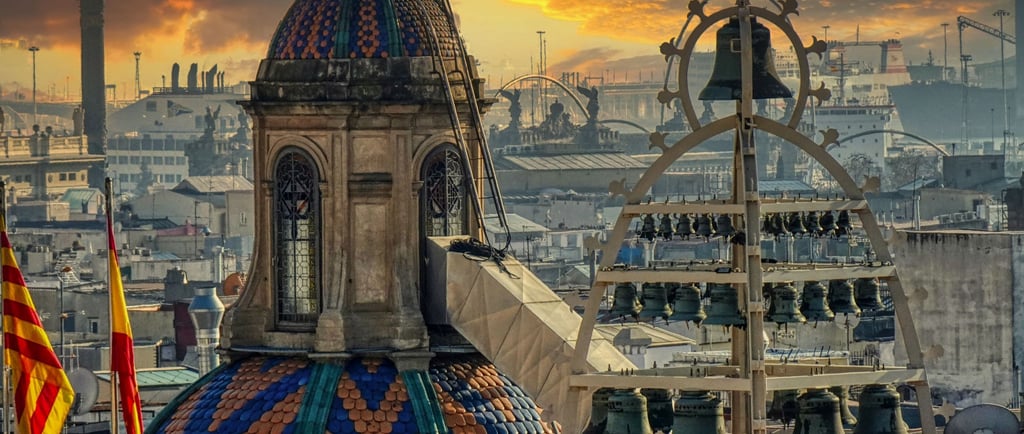
Spain is one of the most searched travel destinations on Pinterest right now — and for good reason. But if your Spain trip begins and ends in Barcelona, you're missing the best parts.
This guide covers the cities worth adding to your itinerary, the ones most tourists skip entirely, when to go, what to budget, and what to eat. Consider it everything you need to stop Googling and start planning.
Madrid vs Barcelona: Which Should You Visit First?
This is the question every first-time Spain visitor asks — and the honest answer is that they're completely different cities serving completely different moods.
Barcelona is Mediterranean. It's beach clubs, Gaudí architecture, late-night tapas on Las Ramblas, and a city that genuinely feels like it's performing for you. It's also more expensive, more touristy, and more English-friendly than anywhere else in Spain.
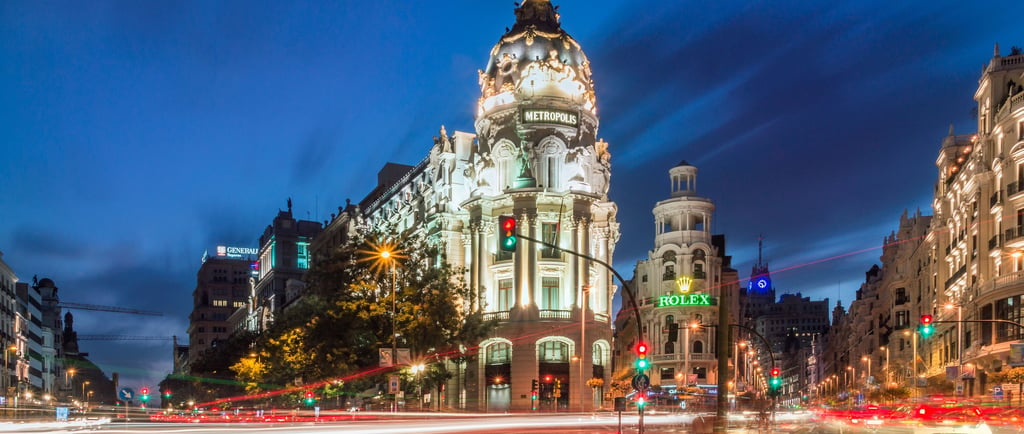
Madrid is the real Spain. It's world-class art museums, neighbourhood bars that don't fill up until midnight, flamenco shows in tiny underground venues, and a pace of life that feels more authentic and less staged. It's also cheaper, easier to navigate, and has better food.
Our recommendation: If you're short on time, start with Barcelona — it's the more immediately impressive city. If you have two weeks, start in Madrid and work south before ending in Barcelona. You'll appreciate Barcelona more having seen what real Spain looks like first.
The Best Cities in Spain — Ranked Honestly
Madrid
Spain's capital rarely gets the same Pinterest attention as Barcelona, which makes it consistently underrated and consistently better value. The Prado Museum alone is worth a trip — it houses one of the finest collections of European art in the world, including Goya, Velázquez and El Greco, and it never feels as overcrowded as the Louvre or the Uffizi.
Beyond the museums: the Retiro Park on a Sunday morning, vermouth bars in La Latina at noon, rooftop terraces in Malasaña at dusk. Madrid rewards slow exploration more than any other Spanish city.
Don't miss: Mercado de San Miguel for food, Rooftop of Círculo de Bellas Artes for views, the streets of Lavapiés for the real neighbourhood feel.
Seville
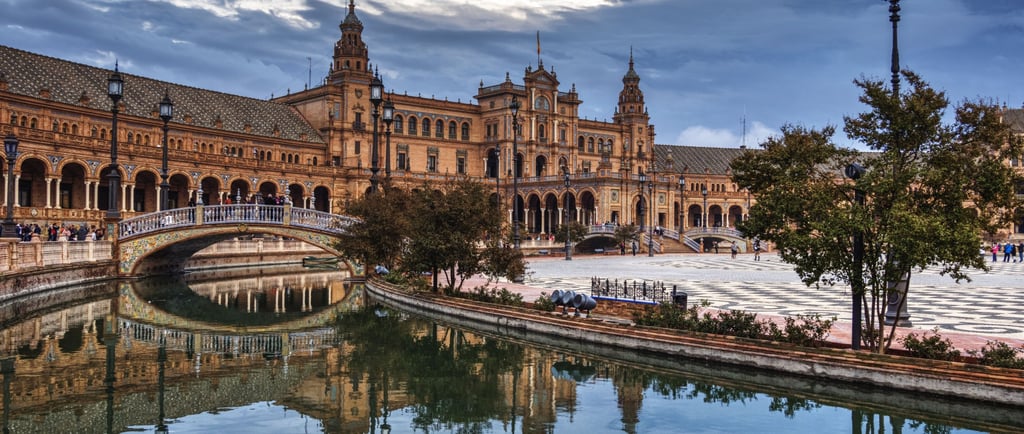
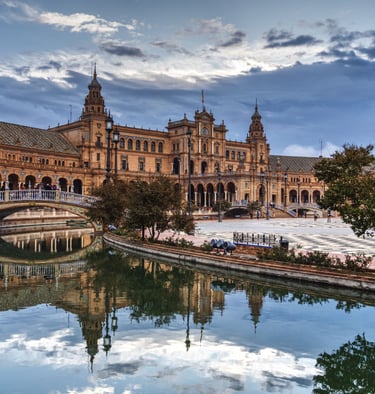
If you want flamenco, orange trees, and the feeling of stepping into a painting, Seville is your city. It's the most classically Andalusian place in Spain — whitewashed streets, cathedral squares, horse-drawn carriages — and it delivers on every expectation without feeling fake.
The Alcázar palace is one of the most beautiful buildings in Europe. The Triana neighbourhood across the river is where locals actually live. And Seville in April during Semana Santa (Holy Week) is one of the most extraordinary spectacles in the world.
Be aware: Seville in July and August is brutally hot — 40°C is not unusual. Visit in spring or autumn.
Granada
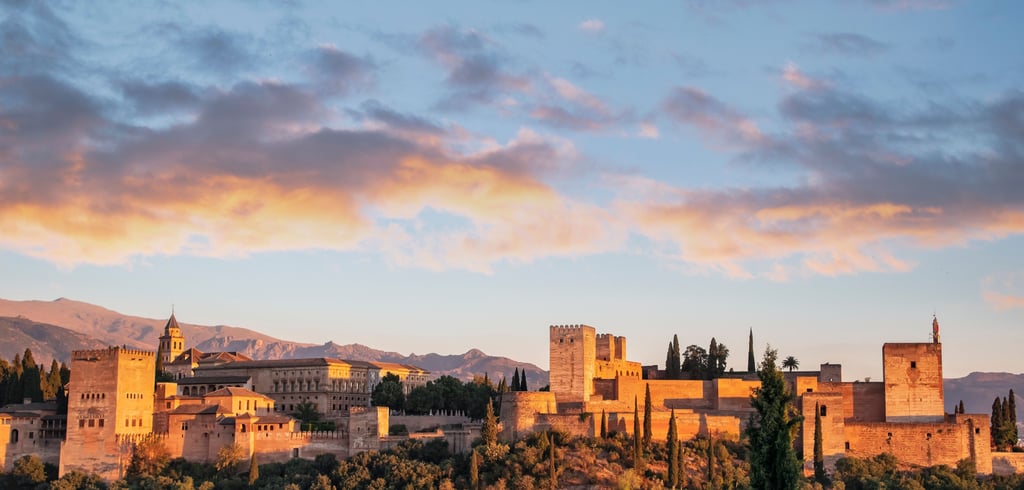
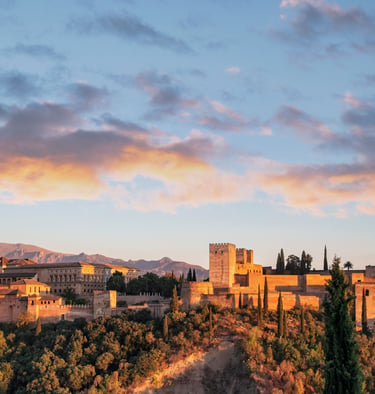
Granada is where Spain gets mysterious. The Alhambra — a Moorish palace complex built into a hillside overlooking the city — is the most visited monument in Spain for good reason. Book tickets months in advance; it sells out constantly.
The city below the Alhambra is equally compelling. The Albaicín neighbourhood is a UNESCO-listed maze of white houses and narrow streets with rooftop terraces looking back at the palace. And Granada is one of the last cities in Spain where tapas are still free with every drink — order a beer, receive food. It's a beautiful custom.
Don't miss: Sunset from the San Nicolás viewpoint, free tapas on Calle Navas, the Hammam Arab Baths.
San Sebastián
Spain's most underrated city, full stop. San Sebastián (Donostia in Basque) sits on a perfect crescent bay in the Basque Country, about an hour from the French border. It has more Michelin-starred restaurants per capita than almost anywhere on earth, a beach that wouldn't look out of place in the Caribbean, and an old town where every bar serves pintxos — small Basque snacks that make regular tapas look amateur.
It's not cheap. But it's worth every penny and most tourists never make it this far north.
Valencia
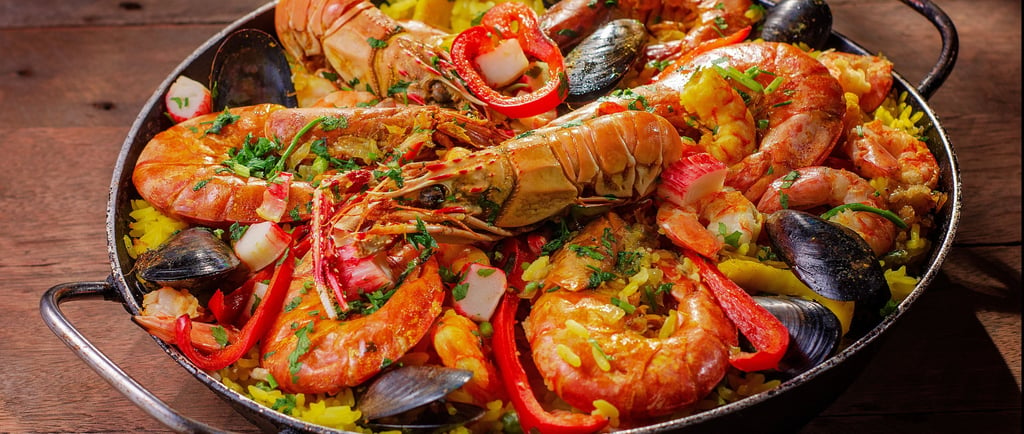
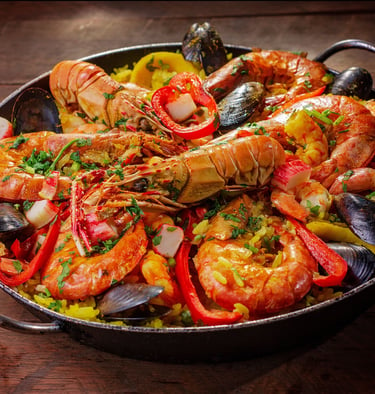
Permanently overshadowed by Barcelona despite being Spain's third-largest city, Valencia is where paella actually comes from — and eating it here, on the terrace of a restaurant in the Malvarosa beach district, is one of the great food experiences in Spain.
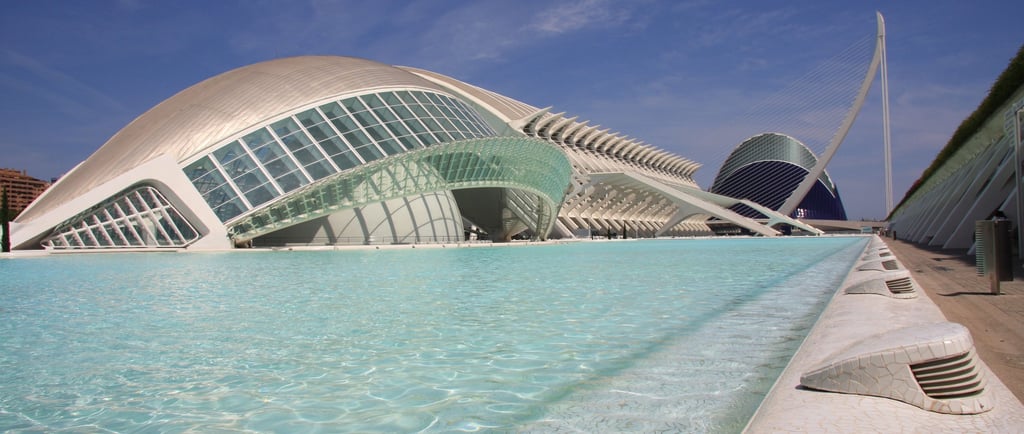
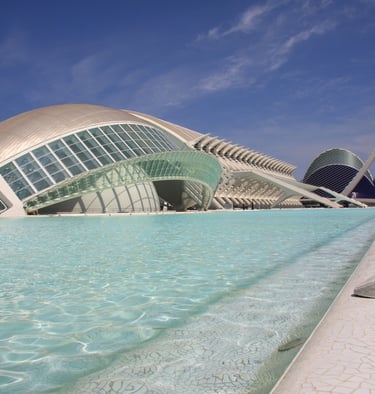
The City of Arts and Sciences is an extraordinary piece of architecture. The old town is underexplored and full of good bars. And Valencia's beaches are better than Barcelona's with a fraction of the crowds.
The Hidden Destinations Most Tourists Never Find
Ronda — a small city in Andalusia built on the edge of a dramatic gorge. The view from the Puente Nuevo bridge is one of the most photographed in Spain and somehow still feels like a secret. Two hours from Málaga by bus.
Cádiz — one of Europe's oldest cities, a peninsula jutting into the Atlantic, with salt-bleached streets, excellent seafood and almost no tourists compared to Seville or Granada. Ernest Hemingway loved it. So will you.
Tarifa — the southernmost point in Europe, where the Atlantic meets the Mediterranean and Africa is visible on clear days. It's a windsurfing and kitesurfing capital but also a genuinely beautiful small town. From here you can take a ferry to Morocco in 35 minutes.
Salamanca — a university city in Castile with some of the most beautiful golden sandstone architecture in Spain. Particularly good in September when the students return and the city comes alive.
Best Time to Visit Spain
Spain is a year-round destination but the best time depends entirely on where you're going:
Spring (March–May): The best overall time. Mild temperatures everywhere, wildflowers in Andalusia, Semana Santa in Seville (spectacular but book accommodation months ahead). Shoulder season prices.
Summer (June–August): Barcelona and the coast are at peak tourist season — hot, crowded and expensive. Inland cities like Madrid and Seville are brutally hot. The north (San Sebastián, Galicia) is actually lovely in summer with cooler temperatures and green landscapes.
Autumn (September–November): A close second to spring. Temperatures have dropped, crowds have thinned, prices are lower. September in particular is excellent almost everywhere.
Winter (December–February): Cold in Madrid and the north, mild in Andalusia. January and February are the quietest months — empty museums, cheap hotels and moody, atmospheric cities with almost no tourists.
Spain on a Budget: What to Expect
Spain is one of the most affordable Western European destinations, particularly outside Barcelona and the resort areas.
Daily budget guide:
Budget traveller (hostel, self-catering, free tapas in Granada): £40–55/day
Mid-range (hotel, restaurant meals, entry fees): £80–110/day
Comfortable (boutique hotel, two restaurant meals, experiences): £130–160/day
Where your money goes furthest: Seville, Granada, Valencia, Salamanca. These cities are significantly cheaper than Barcelona or San Sebastián.
Where to save: Spain's AVE high-speed trains are excellent but book early for cheap fares. Tapas culture means you can eat cheaply at lunchtime even in expensive cities — the menú del día (set lunch menu) typically offers three courses and a drink for £10–14.
Spanish Food: What to Eat and Where
Spanish food is regional — what you eat in San Sebastián is completely different from what you eat in Seville or Valencia. Here's a quick guide:
Andalusia (Seville, Granada, Cádiz): Jamón ibérico, gazpacho, pescaíto frito (fried fish), free tapas with drinks in Granada.
Madrid: Cocido madrileño (chickpea stew), bocadillo de calamares (squid sandwich — an institution), churros with thick chocolate at Chocolatería San Ginés after a long night out.
Valencia: Paella (the real thing — always rice, always cooked in a wide flat pan, ideally eaten at lunch rather than dinner), horchata, fresh citrus.
Basque Country (San Sebastián): Pintxos (tiny open sandwiches on bread, piled high with everything), txakoli (local sparkling white wine), marmitako (tuna and potato stew).
Barcelona: Pan con tomate (bread rubbed with tomato and olive oil — simple, perfect), fresh seafood on the Barceloneta waterfront, cava over champagne.
Spain in 2 Weeks: The Multi-City Route
If you have two weeks, this is the route we'd plan:
Days 1–3: Madrid — museums, neighbourhood bars, day trip to Toledo
Days 4–5: Seville — Alcázar, cathedral, Triana, flamenco
Day 6: Granada — Alhambra (pre-book), Albaicín, free tapas
Day 7: Valencia — paella, City of Arts and Sciences, beach
Days 8–10: Barcelona — Gaudí, Gothic Quarter, day trip to Montserrat
Days 11–12: San Sebastián — pintxos, beach, Michelin stars if budget allows
Days 13–14: flex — Bilbao Guggenheim, Ronda day trip, or simply more time in a favourite city
This route works entirely by train — Spain's rail network is excellent and booking in advance is cheap.
First Time in Spain: 8 Things to Know Before You Go
1. Lunch is the main meal. Spanish restaurants serve lunch from 2–4pm and dinner from 9pm onwards. Eating at 6pm or 7pm marks you out as a tourist instantly.
2. Everything closes in the afternoon. The siesta is still real outside major cities. Plan museum visits for mornings or evenings.
3. Barcelona is not representative of Spain. It's wonderful, but it's a Catalan city that happens to be in Spain. The culture, food and attitude are distinct from the rest of the country.
4. Book the Alhambra and Sagrada Família well in advance. Both sell out weeks ahead, especially in summer. There is no queue on the day for the Alhambra.
5. Tipping is optional and modest. Rounding up to the nearest euro or leaving small change is perfectly normal. Tipping 15–20% American-style is unusual and not expected.
6. The AVE trains are excellent. Madrid to Seville in 2.5 hours. Madrid to Barcelona in 2.5 hours. Book early and fares are comparable to budget airlines — without the airport faff.
7. Spanish cities are safe. Petty theft (pickpockets in tourist areas, particularly Barcelona's Las Ramblas) is the main concern. Keep phones and wallets in front pockets and be aware in crowds.
8. Learn please and thank you. Por favor and gracias go a long way. Outside Barcelona and the coast, English is less widely spoken than in northern Europe.
Ready to Plan Your Spain Trip?
If you're planning a Barcelona trip specifically, our custom Barcelona travel itinerary gives you a fully personalised day-by-day plan built around your budget, interests and travel style — delivered as a beautifully designed PDF within 48 hours.
Want a full multi-city Spain itinerary covering Madrid, Seville, Granada and more? We've just launching our Spain itinerary
VoyagerStudioz
Sun-drenched guides and custom day-by-day itineraries.
Home-Blog-Itineraries-About
Get in touch
info@voyagerstudioz.com
Custom planning via Etsy
Based in London, mapping the world
© 2026 VoyagerStudioz-Custom day-by-day plans for the deliberate traveler.
Unhurried pace, curated detours