
Switzerland Travel Guide: The Alps, Lakes and Cities Worth Visiting
Your complete Switzerland travel guide — where to go, what it costs, best time to visit, and Zermatt, Interlaken and hidden gems covered.
DESTINATION GUIDES
7/3/202612 min read
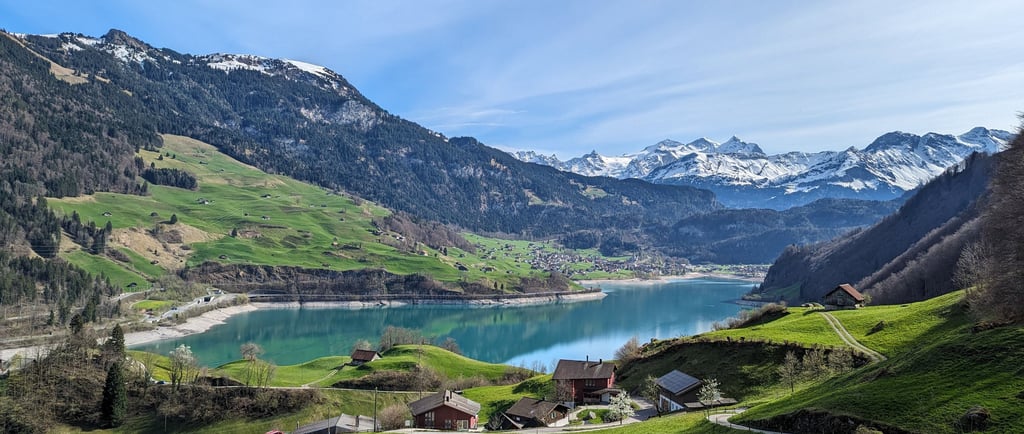
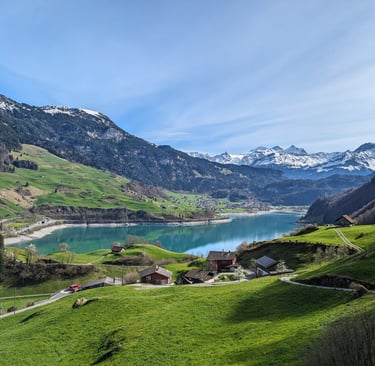
Switzerland is one of the most searched travel destinations on Pinterest right now — and it's easy to see why. The Alps, the lakes, the chocolate-box villages, the impossibly efficient trains. But it's also one of the most expensive countries on earth, and without a plan it's easy to spend a lot of money and miss the best bits.
This guide covers where to go, when to go, how to get around, what it actually costs, what to eat, and the hidden corners most tourists never reach. Everything you need to stop looking and start booking.
The Best Places to Visit in Switzerland
Interlaken
Interlaken is Switzerland's adventure capital — a small town sitting between two glacial lakes, with the Jungfrau mountain range looming over it like a postcard that refuses to end. Almost every visitor to Switzerland passes through, and for good reason: it's a base for some of the best outdoor experiences in Europe, summer or winter.
In summer: paragliding, white-water rafting, canyoning, hiking to mountain lakes, and the famous Jungfraujoch railway to the "Top of Europe" at 3,454m — the highest railway station in the Alps. In winter: skiing at Grindelwald and Wengen, snowshoeing, and the kind of alpine village atmosphere that makes you want to stay another week.
The town itself is compact and slightly touristy, but that's not the point of Interlaken — the point is everything you can do from it.
Don't miss: The Harder Kulm viewpoint (take the funicular, watch the sunset), the boat trip across Lake Brienz to Giessbach Falls, and the Lauterbrunnen valley — a dramatic gorge with 72 waterfalls that looks entirely invented.
Book in advance: The Jungfraujoch railway is expensive (around CHF 200 return) and busy — pre-booking is essential. Check the weather forecast and go on a clear day only; the views from the clouds are nothing.
Zermatt and the Matterhorn
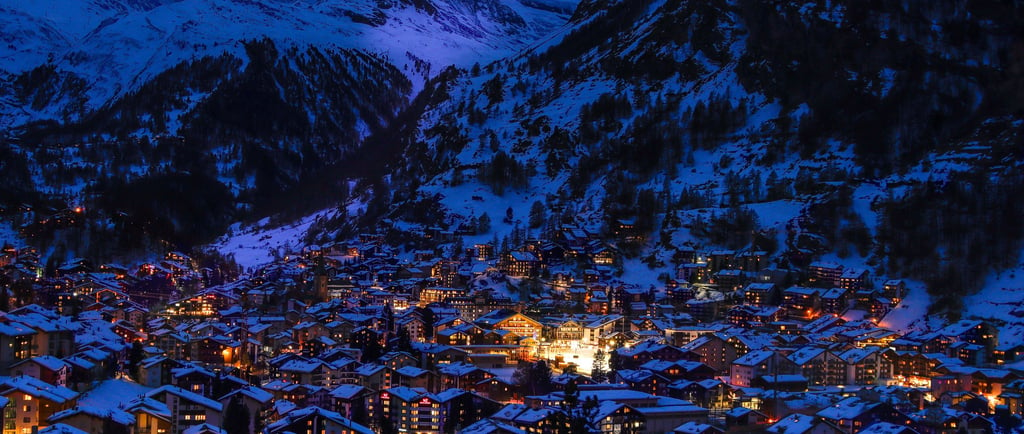
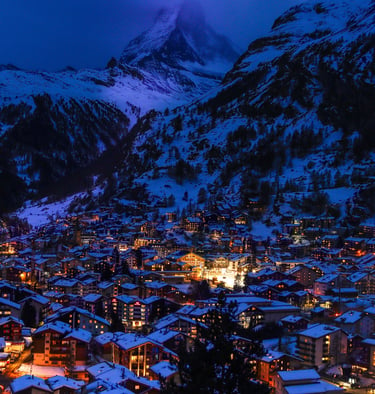
There is no mountain in the world more recognisable than the Matterhorn — the near-perfect pyramid of rock that rises 4,478m above the village of Zermatt in the Swiss Alps. Getting your first clear view of it, framed by the village rooftops, is one of the genuinely jaw-dropping moments in travel.
Zermatt itself is a car-free village — the only motor vehicles allowed are small electric carts. This keeps the place immaculate and quiet, which makes it feel more like a film set than a functioning town. The main street, the Bahnhofstrasse, is lined with luxury hotels, mountain gear shops and fondue restaurants.
In summer, Zermatt is a world-class hiking destination — the routes around the Matterhorn offer views that professional photographers travel months to capture. In winter, it's one of the premier ski destinations in Europe, with pistes that stay snow-sure year-round on the Klein Matterhorn glacier.
Practical note: Getting to Zermatt requires taking a special train from Täsch (you can't drive into the village). This feels like an inconvenience but is actually part of what makes it special.
Don't miss: The Gornergrat rack railway — a 45-minute ride up to 3,089m with panoramic views of 29 peaks over 4,000m, including the Matterhorn and Monte Rosa. Take the first or last train of the day for the light.
Zurich
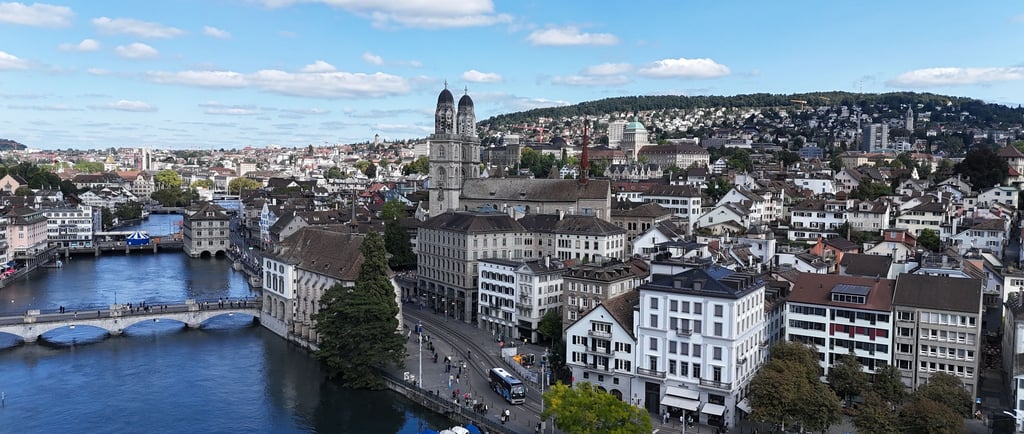
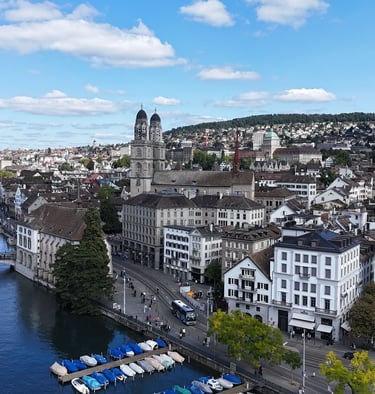
Switzerland's largest city doesn't have the romance of Geneva or the alpine drama of Interlaken, but it consistently ranks as one of the most liveable cities in the world — and for visitors, that translates into excellent restaurants, beautifully maintained historic streets, and a lake you can actually swim in.
The Old Town (Altstadt) is the starting point — cobbled lanes, medieval guild houses, twin-towered Grossmünster cathedral, and the Lindenhügel hill for views over the city and lake. The lake promenade on a summer afternoon, with swimmers in the water and the Alps visible in the background, is one of Switzerland's most underrated experiences.
Zurich is also expensive by any standard — this is consistently one of the priciest cities in the world. But the quality of food and service matches the prices in a way that doesn't always apply in other expensive cities.
Don't miss: The Zurich Kunsthaus (one of Switzerland's finest art museums), the Langstrasse neighbourhood for bars and food, a lake swim from one of the city's Badis (public bathing facilities) on a hot day.
Lucerne
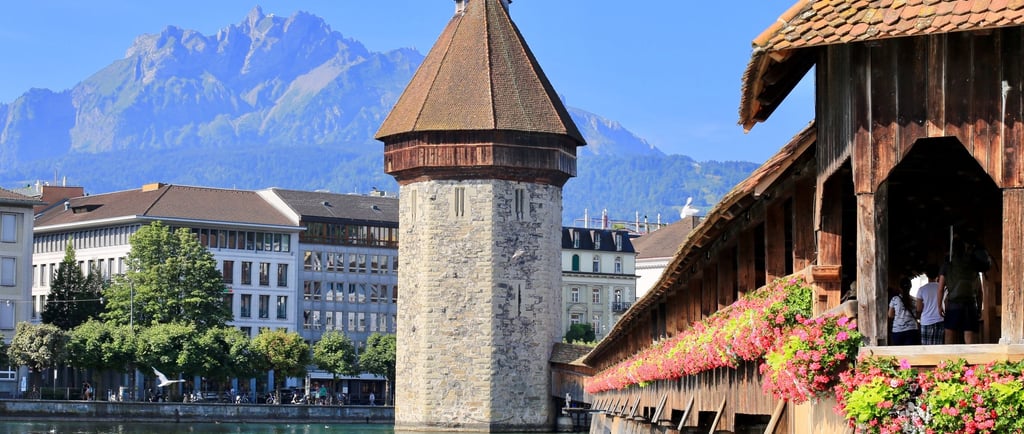
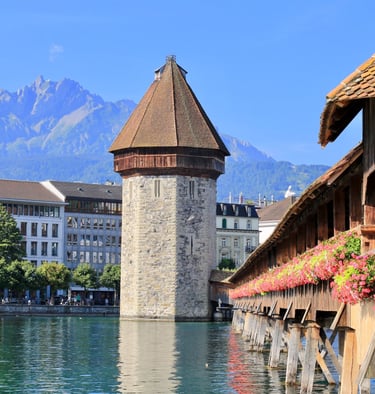
If Zurich is the business city and Interlaken is the adventure city, Lucerne is the Switzerland that appears in every travel brochure — and it earns it. The covered wooden Chapel Bridge (Kapellbrücke) over the Reuss river, the flower-painted Water Tower beside it, the ring of mountains reflected in the lake — this is what most people picture when they think of Switzerland.
The old town is compact and walkable. The lake is surrounded by peaks you can reach by rack railway, cable car, or on foot. And despite being heavily touristed, Lucerne somehow doesn't feel spoiled — it's maintained its character in a way that big-ticket destinations often lose.
Day trips from Lucerne: Mount Rigi (the "Queen of the Mountains" — panoramic views of over 13 cantons), Mount Pilatus (reached by the world's steepest cogwheel railway), Engelberg for skiing in winter.
Geneva
Geneva sits in the French-speaking corner of Switzerland on the shore of Lake Geneva, bordering France on three sides. It's the city of diplomacy and banking — home to the United Nations, the Red Cross, and more international organisations than anywhere else on earth except New York and Brussels.
For travellers, Geneva is a day-trip city more than a base. The Old Town is handsome but small, the Jet d'Eau (the famous water jet shooting 140m into the lake) is impressive once, and the luxury watch shops on Rue du Rhône are interesting to browse even if you're not buying. But it's expensive and a little stiff compared to Lucerne or Zurich, and most of what makes Switzerland worth visiting is better reached from elsewhere.
Exception: If you're visiting the Swiss Riviera — Montreux, the Château de Chillon, the Lavaux vineyards — then Geneva is a useful hub.
Switzerland vs Austria: Which Alpine Country Should You Visit?
This is a genuine question worth addressing honestly, because they're often compared and both tick similar boxes.
Switzerland offers: More dramatic alpine scenery, better railway infrastructure, Zermatt and the Matterhorn, higher standards across the board — and significantly higher prices.
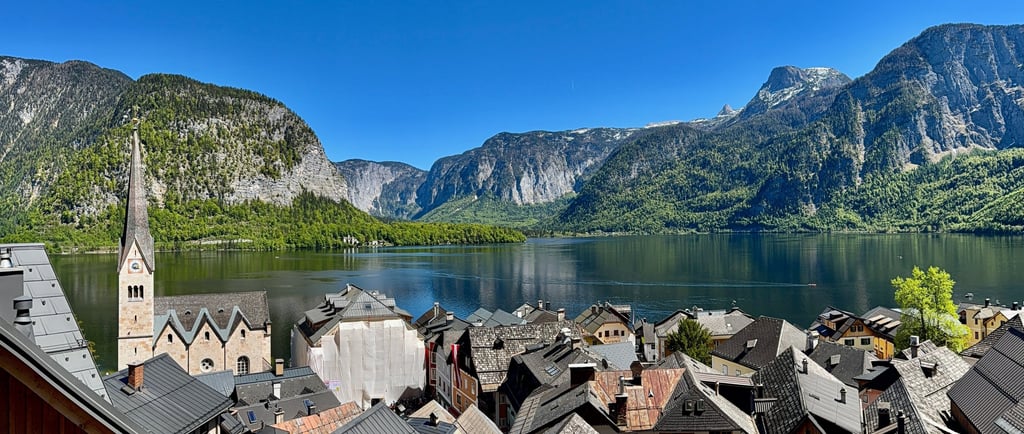
Austria offers: Vienna (one of Europe's great cities), Hallstatt (possibly the most photographed village in the Alps), Salzburg, the Salzkammergut lakes, world-class skiing at a fraction of Swiss prices, and the Danube Cycle Path for cycling holiday enthusiasts.
Switzerland vs Austria — The Honest Comparison
Alpine scenery — Switzerland ★★★★★ / Austria ★★★★
Value for money — Switzerland ★★ / Austria ★★★★
City culture — Switzerland ★★★ / Austria ★★★★★
Transport — Switzerland ★★★★★ / Austria ★★★★
Skiing — Switzerland ★★★★★ / Austria ★★★★★
Food & drink — Switzerland ★★★★ / Austria ★★★★Our take: If alpine scenery is the priority and budget isn't a major concern, Switzerland wins. If you want great cities, better value, and almost-as-good mountain scenery, Austria is an excellent alternative. If you have two weeks, do both — they're neighbours and the train connections are excellent.
Switzerland on a Budget: What It Actually Costs
Switzerland is expensive. There's no honest way around this. But it's possible to do it without the eye-watering bills that many first-timers encounter — the key is knowing where the costs come from and planning around them.
Daily budget estimates:
Budget traveller (hostel, self-catering, free hiking): CHF 80–120/day (~£70–105)
Mid-range (hotel, restaurant lunches, dinner once): CHF 180–250/day (~£155–215)
Comfortable (boutique hotel, two restaurant meals, activities): CHF 300+/day (~£260+)
Where the money goes:
Accommodation is the biggest cost — budget hotels start at CHF 150–180/night. Staying in Airbnbs, hostels, or apartments outside the main tourist centres makes a significant difference.
Food is the second biggest. A sit-down restaurant meal will typically cost CHF 25–40 for a main course. The smarter move: shop at Migros or Coop (Switzerland's main supermarkets, both affordable) for breakfasts and picnic lunches, then eat one proper dinner.
Transport is excellent value relative to what it offers — see the transport section below.
Activities vary enormously. Hiking is free. The Jungfraujoch railway costs CHF 200. The Swiss Pass covers almost all public transport and many mountain railways — worth it for trips of 4+ days.
Budget hacks:
The Swiss Travel Pass covers trains, buses, lake boats AND free entry to 500+ museums — buy it before you arrive
Migros and Coop have excellent prepared food sections — cheese, bread, cold cuts — for CHF 10–15 per person
Drink tap water (Switzerland's tap water is some of the cleanest in the world; coffee shops will often refill your bottle for free)
Hike instead of taking cable cars where possible — the routes are well-marked and the views are the same
Visit in shoulder season (May–June or September–October) for lower accommodation prices
Swiss Train Travel: How to Get Around Switzerland
Switzerland's train network is the best in the world — and that's not a marketing claim, it's a widely held view among travellers who've used rail networks across Europe. Trains run on time (Swiss punctuality is not a stereotype, it's a feature), the network is comprehensive, the scenery through carriage windows is extraordinary, and connecting services are timed to the minute.
The Swiss Travel Pass is the key purchase for any multi-day visit. It covers:
All SBB trains, buses and lake boats
Free entry to 500+ museums
50% discount on most mountain railways and cable cars
Passes are available for 3, 4, 6, 8 or 15 consecutive days. For a 7-10 day Swiss trip, the 8-day pass typically pays for itself within the first three days.
Scenic railway routes worth booking specifically:
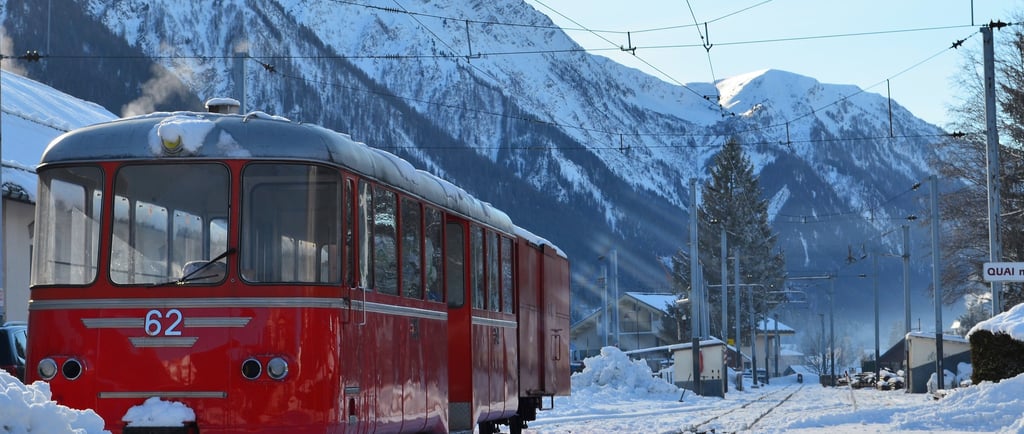
Glacier Express — Zermatt to St Moritz, 8 hours through the Alps. One of the great train journeys in the world
Bernina Express — Chur to Tirano (Italy), crossing the Bernina Pass at 2,253m. A UNESCO World Heritage railway
Golden Pass Line — Lucerne to Montreux, through the Emmental and Gruyères regions
Jungfrau Railway — from Grindelwald or Wengen up to Jungfraujoch, the highest station in Europe
Both the Glacier Express and Bernina Express require seat reservations (around CHF 15–40 extra); all others can be boarded directly with a Swiss Travel Pass.
Practical note: Swiss trains have excellent free WiFi. There are clear luggage racks and large windows. First class is genuinely better (wider seats, less crowded, better views) but second class is perfectly comfortable.
Best Time to Visit Switzerland
Switzerland is a genuine four-season destination, but the experience varies dramatically.
Summer (June–August): The classic season. Alpine hiking trails are fully open, lakes are warm enough to swim in, and the mountain scenery is at its most vivid green. July is peak tourist season — expect full hotels, higher prices, and queues at the Jungfraujoch. June and August are slightly better on both counts.
Autumn (September–October): The hidden gem season. Crowds thin after August, prices drop, and the combination of early snow on the high peaks and autumn colour in the valleys produces some of the most beautiful photography in Switzerland. September in particular is excellent.
Winter (December–March): Ski season. The resorts (Zermatt, Verbier, St Moritz, Davos, Grindelwald) are at their busiest and priciest. For non-skiers, the alpine villages covered in snow are extraordinary — but January and February bring very short days and limited hiking options.
Spring (March–May): The quietest and cheapest season, but also the most variable. High passes may still be closed in March and April. By late May, the flowers are out in the valley and lower hiking routes are opening. A genuinely good time for a city-focused Switzerland trip.
Our recommendation: June or September for the best balance of good weather, open trails, and manageable crowds. Avoid the last two weeks of July if you want quieter mountain experiences.
What to Eat in Switzerland: Beyond Fondue
Swiss food doesn't get nearly enough credit. Yes, it's primarily a dairy-and-meat culture, and yes, fondue is real and genuinely good — but there's more.
The classics you must try:
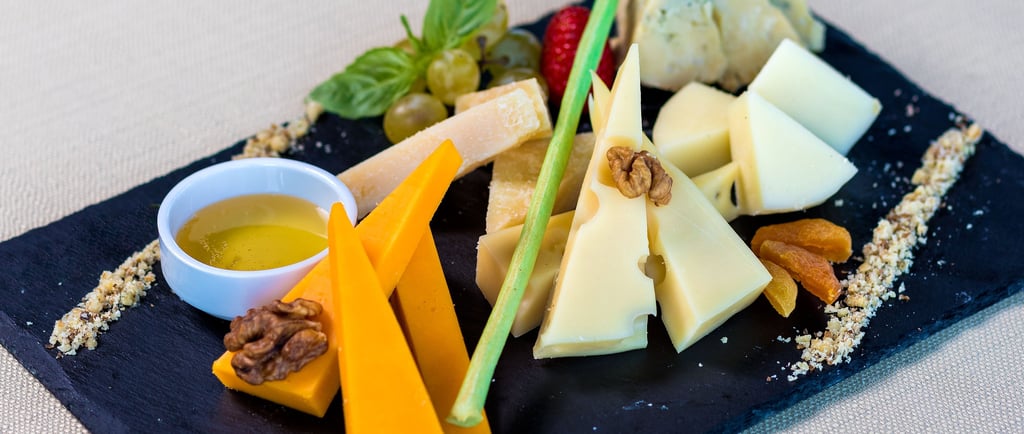
Fondue — melted cheese (typically Gruyère and Emmental in a 1:1 mix) in a shared pot, eaten with bread cubes on long forks. The traditional version is served with white wine and kirsch. Do not stir — swirl. The best fondue in Switzerland is found in small mountain restaurants, not in city tourist traps.
Raclette — a wheel of cheese melted under a heat lamp and scraped onto boiled potatoes, cornichons and pickled onions. Simpler than fondue but just as good. The cheese market in Gruyères village does this particularly well.
Rösti — Switzerland's answer to hash browns. A thick potato cake, crisped in butter. Eaten everywhere, morning, noon and night. The German-speaking Swiss treat it as a staple rather than a side dish.
Zürcher Geschnetzeltes — thin-sliced veal in a cream and mushroom sauce, served with rösti. The dish is so associated with Zurich that it literally translates as "Zurich-style sliced meat." A proper restaurant version is one of the best things you can eat in the country.
Bündner Nusstorte — a caramelised walnut tart from the canton of Graubünden. Small, dense, intensely good. Buy one at any bakery in that region.
Swiss chocolate: Lindt, Toblerone and Nestlé are all Swiss, but the best Swiss chocolate isn't found in supermarkets — it's in the small chocolatiers that exist in every town. Look for Läderach (nationwide chain, genuinely excellent) or, better, local producers. The Frey factory in Buchs is worth visiting for the shop alone.
Swiss wine: Almost no Swiss wine is exported, which means most people have never tried it. The Lavaux wine region on Lake Geneva (a UNESCO World Heritage site) produces whites from Chasselas grapes that are unlike anything you'll find elsewhere — crisp, mineral, light. Drinking a glass on a terrace above the lake with the Alps in the background is one of the simpler pleasures Switzerland offers.
Hidden Switzerland: Places Most Tourists Never Find
Appenzell — a tiny village in northeast Switzerland that looks like it was designed by a film production company. Half-timbered buildings, painted façades, a village square that appears unchanged for centuries. Famous locally for Appenzeller cheese (the strongest in Switzerland) and for being one of the last places in the world to practice Landsgemeinde — an open-air democratic vote held in the town square each April. Almost no international tourists.
Lauterbrunnen — most people pass through this valley en route to Grindelwald, but Lauterbrunnen itself deserves an overnight stay. It's one of the deepest glacial valleys in the Alps, hemmed in on both sides by sheer cliffs with 72 waterfalls pouring off them. The village at the bottom is tiny and beautiful. The waterfall at Staubbachfall drops 297m in a single free fall — the longest in Switzerland.
Gruyères — the source of the cheese, and one of the best-preserved medieval villages in the country. The castle, the cheese factory tour, the raclette restaurant, the HR Giger Museum (yes — the Swiss artist who designed the Alien, with a bar next door that is one of the stranger rooms in Europe). Worth a half day from Bern or Fribourg.
Soglio — a tiny village in the Bregaglia valley near the Italian border. One of the most beautiful viewpoints in Switzerland, looking across a valley of chestnut forests to the granite peaks of the Sciora group. Almost no tourist infrastructure. A handful of excellent B&Bs. Reached by PostBus from Maloja. The Swiss don't keep this one to themselves — they just don't tell anyone else about it.
The Via Jacobi — Switzerland's section of the Camino de Santiago. Much less walked than the Spanish route, running through farmland, forests and small villages that no standard tour itinerary would ever include. Can be walked in sections on day trips or over multiple days.
Switzerland in 10 Days: The Multi-Stop Route
With 10 days, here's how to see Switzerland properly without doubling back:
Days 1–2: Zurich — Old Town, Kunsthaus, lake swim (summer), day trip to Rhine Falls at Schaffhausen (largest waterfall in Europe by volume)
Day 3: Lucerne — Chapel Bridge, Mount Pilatus or Rigi, old town evening
Days 4–5: Interlaken — base for the Jungfrau region. Day one: Jungfraujoch (book ahead). Day two: Lauterbrunnen valley + Grindelwald hike
Days 6–7: Zermatt — Matterhorn views, Gornergrat railway, hiking above the village
Day 8: Geneva — Old Town, Jet d'Eau, Lavaux wine region by train (45 minutes)
Days 9–10: Flex — Appenzell and northeast Switzerland, the Glacier Express if budget allows, or a slow return to Zurich via Gruyères and Bern
All connections on this route are direct or single-change by Swiss Travel Pass train. No car needed.
Ready to Plan Your Switzerland Trip?
Switzerland rewards good planning — the Jungfraujoch sells out, the Glacier Express needs reservations, and knowing which Swiss Pass to buy before you arrive saves real money. Our custom Switzerland travel itinerary handles all of this: a fully personalised, day-by-day plan built around your budget, the season you're travelling in, and whether you're there for hiking, skiing, cities or all three.
VoyagerStudioz
Sun-drenched guides and custom day-by-day itineraries.
Home-Blog-Itineraries-About
Get in touch
info@voyagerstudioz.com
Custom planning via Etsy
Based in London, mapping the world
© 2026 VoyagerStudioz-Custom day-by-day plans for the deliberate traveler.
Unhurried pace, curated detours