
The Ultimate Thailand Travel Itinerary: How to Plan Your Perfect Trip
DESTINATION GUIDES
6/28/20268 min read
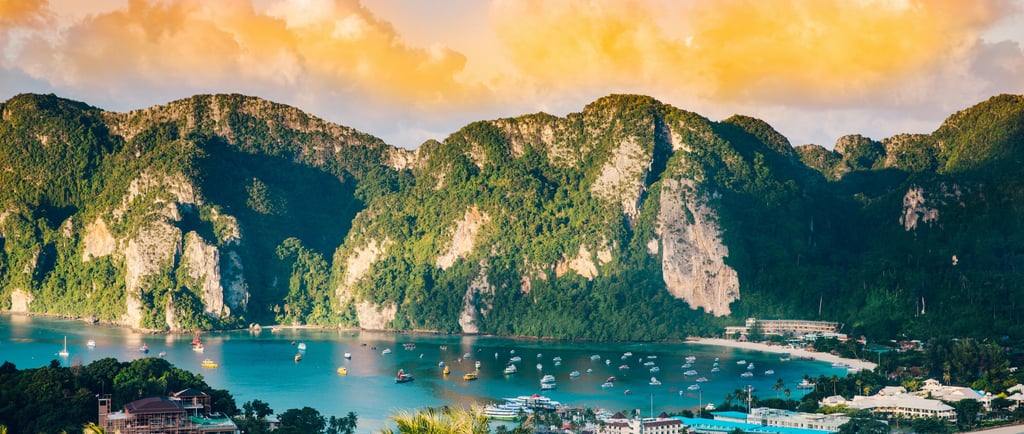
Thailand is one of those destinations that gets under your skin. The food alone is worth the flight — but add in ancient temples, jungle waterfalls, white sand islands, and a nightlife scene that runs until sunrise, and you start to understand why so many people go for two weeks and end up staying for two months.
Whether you're planning your first trip or trying to see more of the country this time around, this Thailand travel itinerary will help you plan a trip that goes well beyond the tourist trail.
Why Thailand Should Be Your Next Long-Haul Destination
Thailand is one of the most visited countries in the world for good reason. It's incredibly diverse — you can spend a morning in a 700-year-old temple, an afternoon on a beach that looks like a film set, and an evening eating some of the best street food you'll ever taste, all in the same trip.
It's also accessible. Thailand is well set up for travellers, English is widely spoken in tourist areas, and it offers exceptional value at every budget level — from £10-a-night guesthouses to some of Asia's most spectacular luxury resorts.
The challenge isn't finding things to do. It's deciding what to prioritise.
Before You Go: Essential Thailand Travel Tips
Visa: UK, US, and EU citizens can enter Thailand visa-free for up to 60 days. Always check the latest entry requirements before travelling as these can change.
Currency: Thai Baht (THB). ATMs are widely available but charge foreign transaction fees — withdraw larger amounts less frequently to save on fees. Notify your bank before travelling.
Language: Thai. English is widely spoken in tourist areas, hotels, and restaurants. In rural areas and smaller towns, a translation app is useful.
Getting around: Domestic flights are cheap and fast — often the best way to cover large distances. Trains are scenic and good value for overnight journeys. Tuk-tuks and songthaews (shared taxis) for short distances. Grab (the Asian equivalent of Uber) works in most cities.
Weather: Thailand has three seasons — hot season (March–May), rainy season (June–October), and cool season (November–February). The cool season is the best time to visit most of the country. The Gulf Coast islands (Koh Samui, Koh Phangan) have a different weather pattern — they're best visited February–September.
Health: Check current vaccination recommendations before travelling. Travel insurance is essential. Tap water is not safe to drink — stick to bottled water throughout.
Safety: Thailand is generally very safe for travellers. Use common sense, be respectful at temples (cover shoulders and knees), and be aware of common tourist scams particularly in Bangkok.
The Classic Thailand Route: Bangkok, Chiang Mai, and the Islands
Most first-time visitors follow some version of this route — and for good reason. It covers the country's highlights without requiring you to spend your entire trip on buses or planes.
Days 1–3: Bangkok
Day 1 — Temples, Markets, and the River
Start your Thailand trip in Bangkok, the country's chaotic, brilliant capital.
On your first morning, head to the Grand Palace and Wat Phra Kaew (Temple of the Emerald Buddha). This is Thailand's most sacred site and genuinely unmissable — the detail and scale of the complex is staggering. Go early (opens 8:30am) to beat the heat and the crowds. Dress code is strict — shoulders and knees must be covered.
After the Grand Palace, walk to the nearby Wat Pho — home to the famous Reclining Buddha, a gold statue 46 metres long that fills an entire building. Wat Pho is also the birthplace of traditional Thai massage. A 30-minute massage at the temple school costs around £8 and is one of the great Bangkok experiences.
In the afternoon, take the river ferry to Wat Arun (Temple of Dawn) on the opposite bank. The view back across the river toward the Grand Palace at sunset is one of Bangkok's iconic sights.
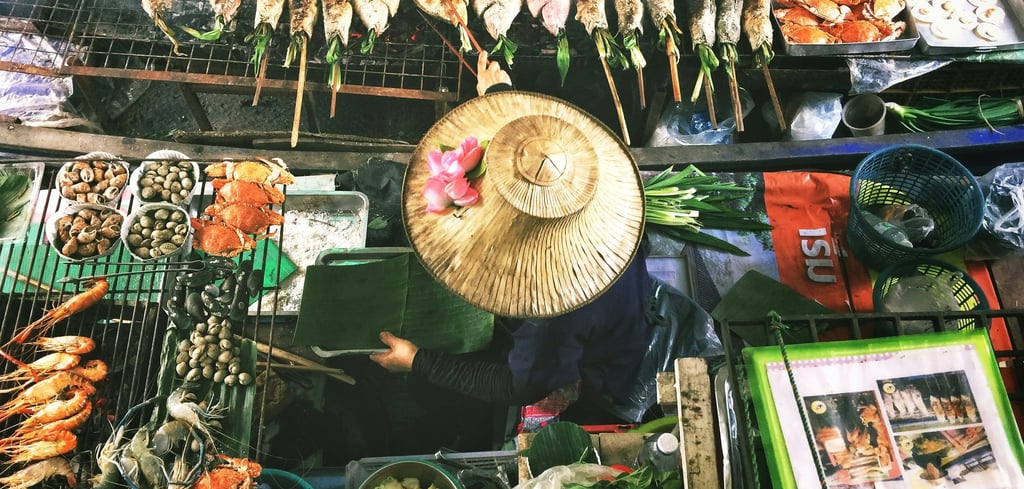
For dinner, head to Chinatown (Yaowarat Road) — Bangkok's best street food street, especially in the evenings. Seafood, noodles, roast duck, and mango sticky rice from roadside stalls. Budget around £5–10 for a full meal.
Day 2 — Neighbourhoods and Nightlife
Spend your second Bangkok day exploring the city's neighbourhoods.
Start in Silom and work your way through to Sathorn — Bangkok's financial district, full of great coffee shops, rooftop bars, and excellent restaurants. Vertigo and Moon Bar at the Banyan Tree Hotel has one of Bangkok's best rooftop views — book ahead.
In the afternoon, visit Chatuchak Weekend Market if you're there on a Saturday or Sunday — one of the world's largest markets with over 8,000 stalls. Even if markets aren't usually your thing, Chatuchak is an experience.
For evening drinks, head to Khao San Road — the legendary backpacker street that's equal parts chaotic and fun — or the rooftop bars of the Sukhumvit area if you prefer something more upscale.
Day 3 — Day Trip: Ayutthaya
An hour north of Bangkok by train lies Ayutthaya — the ancient capital of the Kingdom of Siam, now a UNESCO World Heritage Site. The ruins of temples, palaces, and monasteries spread across an island city that was once larger than London.
Hire a bicycle (£2–3/day) to explore the ruins at your own pace. The Wat Mahathat — famous for the stone Buddha head entwined in tree roots — is the most photographed site.
Take the train from Hua Lamphong station (£1–2 each way) and leave early to make the most of the day.
Days 4–6: Chiang Mai
Fly north to Chiang Mai — Thailand's cultural capital and one of Southeast Asia's most beloved cities. It's a world away from Bangkok's intensity: cooler, quieter, surrounded by mountains, and packed with temples, night markets, and some of Thailand's best food.
Day 4 — The Old City
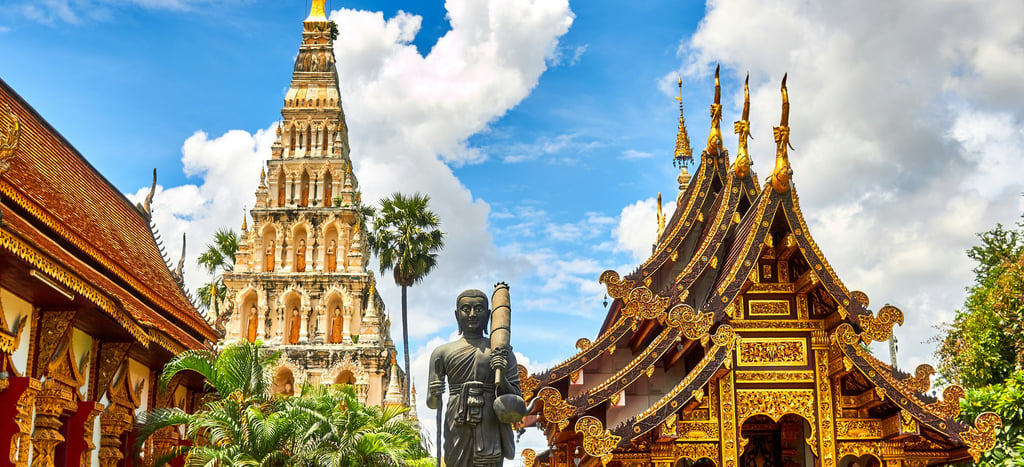
Chiang Mai's Old City is a walled square packed with over 30 temples. Spend the morning wandering — Wat Chedi Luang and Wat Phra Singh are the most impressive. Entry to most temples is free or £1–2.
In the afternoon, explore the Nimmanhaemin Road area — Chiang Mai's hipster neighbourhood, full of independent coffee shops, art galleries, and excellent restaurants. Ristr8to is widely considered one of the best coffee shops in Thailand.
In the evening, don't miss the Sunday Walking Street on Wualai Road (or the Saturday equivalent) — a long street market with local food, handicrafts, and live music.
Day 5 — Elephant Sanctuary
The single most popular day trip from Chiang Mai — and one of Thailand's most memorable experiences — is visiting an ethical elephant sanctuary.
Be careful which one you choose. Look for sanctuaries where elephants roam freely, are not ridden, and are rescued from tourism or logging industries. Elephant Nature Park is the most reputable and well-known. Book in advance — it sells out weeks ahead.
A full-day visit costs around £70–90 and includes transport, lunch, and a full day spent feeding, bathing, and walking with the elephants in their natural habitat.
Day 6 — Doi Inthanon National Park
Thailand's highest mountain and one of its most beautiful national parks is an hour's drive from Chiang Mai. Doi Inthanon National Park has stunning waterfalls, hill tribe villages, and two royal chedis (pagodas) at the summit with views across the mountain range.
Hire a scooter (£8–12/day) or join a day tour (£20–30). The Wachirathan Waterfall and the twin chedis at the summit are the highlights.
Days 7–14: The Islands
Thailand's islands deserve at least a week. Which islands to choose depends entirely on what you're looking for.
Koh Phangan — famous worldwide for the Full Moon Party, a monthly beach party that draws tens of thousands of people from around the world. Beyond the party, Koh Phangan has excellent beaches, yoga retreats, and a more relaxed vibe than its reputation suggests. The Half Moon and Black Moon parties offer similar experiences on a smaller scale throughout the month.
Koh Samui — Thailand's second-largest island, more developed and upscale than most. Beautiful beaches, excellent resorts, and a well-developed tourist infrastructure. Better for couples and those wanting comfort over adventure.
Koh Tao — the diving capital of Southeast Asia. Some of the cheapest and best dive courses in the world. If you want to get your PADI open water certification, do it here — a full course costs around £250–300 compared to £600+ in Europe.
Phuket — Thailand's most famous island, large enough to feel like a city. Patong Beach is chaotic and touristy; Kata and Karon are more relaxed. Worth visiting for the boat trips to the surrounding islands — Phi Phi Islands and Phang Nga Bay (James Bond Island) are genuinely spectacular.
Getting to the islands: Fly into Koh Samui (direct flights from Bangkok) or take a ferry from the Surat Thani pier on the mainland.
Where to Stay in Thailand
Budget (under £20/night): Hostels and guesthouses are excellent throughout Thailand. In Bangkok, stay in Silom or Sukhumvit for better value and safety than Khao San Road. On the islands, bamboo bungalows right on the beach from £10–15/night.
Mid-range (£30–80/night): Boutique hotels in Chiang Mai's Old City are exceptional value. On the islands, beachfront resorts with pools in this price range are easy to find outside peak season.
Luxury (£100+/night): Thailand has some of Asia's most extraordinary luxury resorts. The Rosewood Koh Samui, Four Seasons Chiang Mai, and Capella Bangkok are among the best hotels in Asia at any price point.
Where to Eat in Thailand
Thai food is extraordinary at every price point. Some essential experiences:
Pad Thai from a street stall — the standard by which all others are judged. £1–2.
Khao Soi in Chiang Mai — a northern Thai curry noodle dish, rich and complex, unlike anything you'll find outside the north. Try it at Khao Soi Khun Yai.
Seafood on the islands — fresh catch grilled on the beach. Order by weight and point at what you want.
Mango sticky rice — the essential Thai dessert. Found everywhere, perfect everywhere.
Rooftop dining in Bangkok — The Deck at Arun Residence has extraordinary views of Wat Arun and excellent Thai-Western fusion.
Ready to Have Your Thailand Itinerary Built for You?
Thailand is one of the most rewarding destinations in the world to travel — but with so much to see, knowing exactly where to go, what to skip, and how to make every day count takes serious planning.
That's what our custom Thailand travel guide does. Share your dates, budget, travel style, and interests — and we'll build you a complete day-by-day Thailand itinerary from scratch, with hotel recommendations, restaurant picks, Google Maps links for every location, and everything you need for a perfect trip.
Get your personalised Thailand itinerary on Etsy →
Final Thoughts
Thailand rewards the travellers who take their time with it. Rush through the highlights and you'll have a good trip. Slow down, eat everything, say yes to the unexpected detours — and you'll have a trip you'll spend the next decade trying to explain to people who weren't there.
VoyagerStudioz
Sun-drenched guides and custom day-by-day itineraries.
Home-Blog-Itineraries-About
Get in touch
info@voyagerstudioz.com
Custom planning via Etsy
Based in London, mapping the world
© 2026 VoyagerStudioz-Custom day-by-day plans for the deliberate traveler.
Unhurried pace, curated detours