Tokyo is one of those cities that sounds overwhelming before you go — and then completely rewires your brain once you're there. The scale of it, the order underneath all that chaos, the way ancient temples sit quietly beside neon-lit skyscrapers. There's nowhere else like it.
But planning a Tokyo trip from scratch? That's where most people get stuck. What areas do you stay in? How do you actually get around? Is five days enough, or will you barely scratch the surface? This guide answers all of that — here's exactly how to build a Tokyo travel itinerary that makes the most of your time.
When to Go
Tokyo has four distinct seasons and each one has a reason to visit.
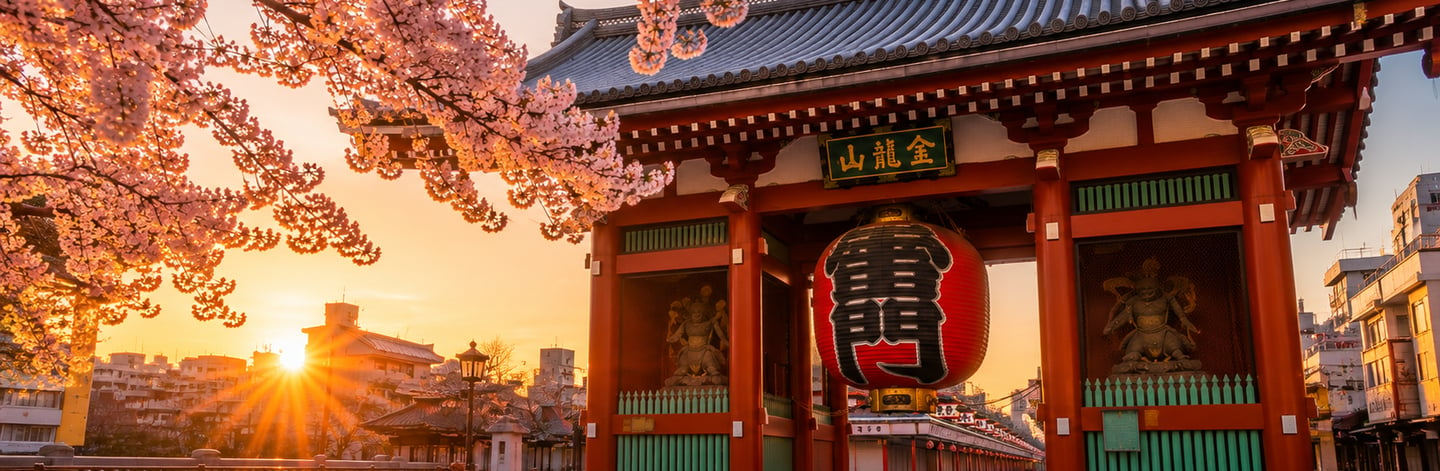
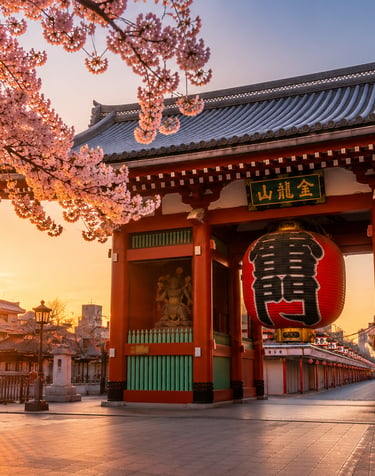
Spring (March–May) is the most popular time — and for good reason. Cherry blossom season (late March to early April) transforms the city. Parks like Shinjuku Gyoen and Ueno fill with people picnicking under pink trees. Book accommodation well in advance if you're travelling during this window.
Autumn (September–November) is the second peak. Temperatures drop to something comfortable, the foliage turns gold and red, and the crowds are slightly thinner than spring. This is arguably the best time to visit.
Summer (June–August) is hot, humid, and rainy in June. July and August are dry but scorching — if you don't mind the heat, festivals and fireworks displays make it worth it.
Winter (December–February) is cold but very manageable. Fewer tourists, lower prices, and Christmas illuminations across the city make it a genuinely underrated time to go.
---
How Long Do You Need?
Tokyo rewards time more than almost any city in the world. A rough guide:
- 5–7 days — covers the main neighbourhoods and highlights without rushing. A solid first trip
- 10–14 days — lets you go deeper, add a day trip to Kyoto or Hakone, and discover things that aren't in any guidebook
- 2+ weeks — enough to truly understand the city and start feeling like you live there
Most first-timers underestimate how much there is. If you're choosing between 5 days and 7, always take 7.
---
Where to Stay
Tokyo is a city of neighbourhoods, each with a completely different personality. Where you base yourself shapes your whole experience.
- Shinjuku — the busy, electric centre. Great transport links, massive variety of food and nightlife, easy access to everywhere. Best for first-timers who want to be in the middle of it all
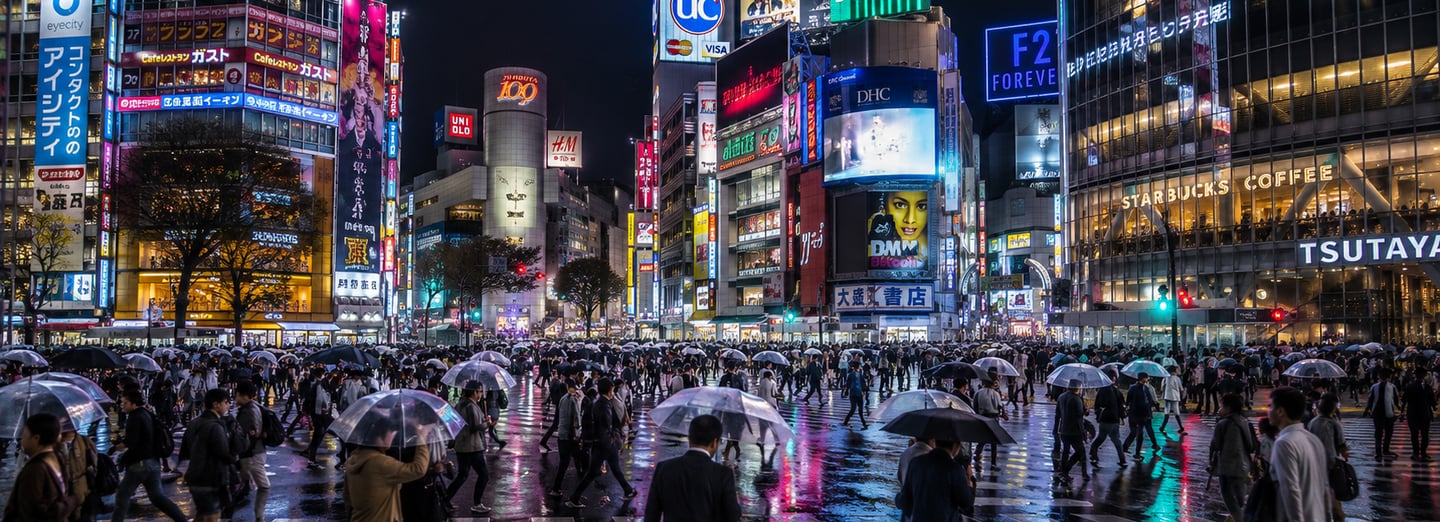
- Shibuya — younger, trendier, home to the famous crossing. Brilliant shopping, great nightlife, surrounded by cool adjacent areas like Harajuku and Daikanyama
- Asakusa — the traditional side of Tokyo. Old temples, lantern-lit streets, rickshaws, craft markets. If you want the contrast of old Japan inside a megacity, stay here
- Ginza — Tokyo's luxury district. High-end hotels, designer shops, excellent restaurants. Best for a splurge trip or honeymoon
- Akihabara — only if you're specifically into anime, gaming, or electronics. Very niche but brilliant for that audience
Most people pick one area and use Tokyo's subway to explore everything else — which brings us to the most important thing to know about this city.
What to Include in Your Tokyo Travel Itinerary
No Tokyo trip is complete without these:
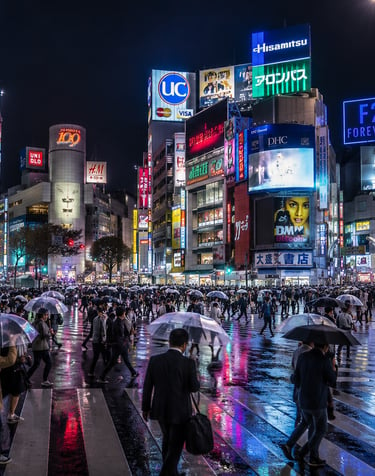
- Shibuya Crossing — the most famous pedestrian crossing in the world. Go at night when the lights are at their brightest. The Starbucks above the crossing gives you the overhead view
- Senso-ji Temple, Asakusa — Tokyo's oldest and most iconic temple. Go early morning (before 8am) to have it almost to yourself. The Nakamise shopping street leading to it is worth exploring
- Shinjuku Gyoen National Garden — 58 acres of manicured gardens combining Japanese, French, and English landscape styles. One of the most peaceful places in the city
- teamLab Borderless or Planets — immersive digital art museums unlike anything else in the world. Book tickets in advance — these sell out
- Harajuku & Takeshita Street — Tokyo's fashion subculture at its most expressive. Even if you don't buy anything, it's worth an hour of your afternoon
- Akihabara — whether you're into electronics, anime, or gaming or not, the sensory overload of Akihabara is an experience in itself
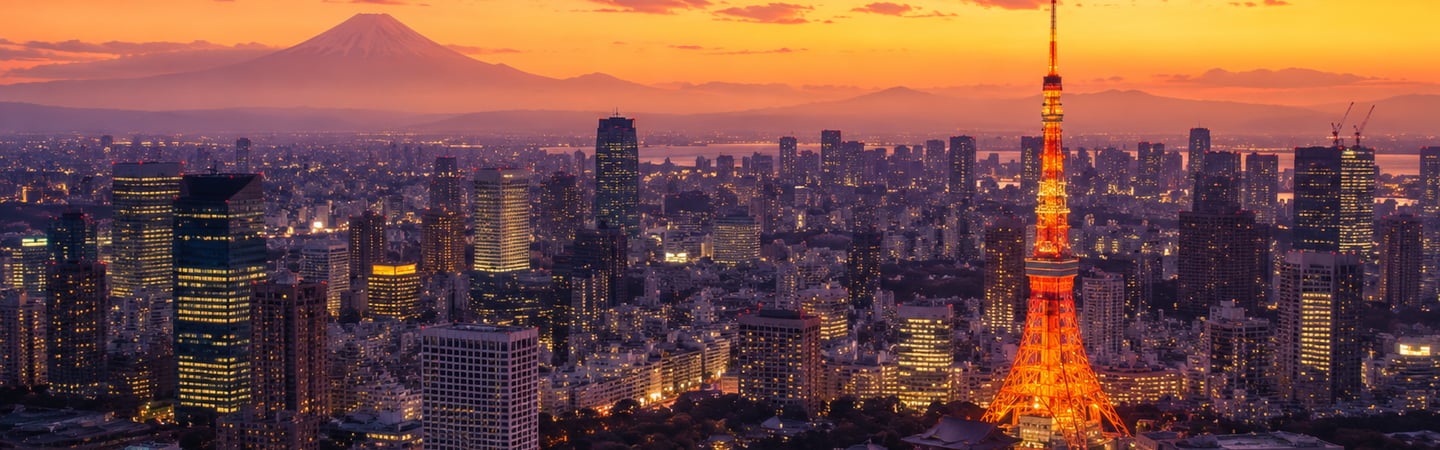
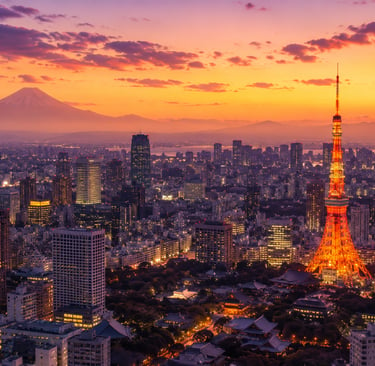
- Tokyo Skytree or Tokyo Tower — city views at 350m+. Go at dusk to watch the city shift from daylight to neon
- Tsukiji Outer Market — the world-famous fish market has moved its wholesale operations to Toyosu, but the outer market still serves some of the best fresh sushi and seafood in the city. Perfect for a morning start
Day Trips from Tokyo
Tokyo's position in Japan makes it an ideal base for day trips:
- Hakone — hot springs, ryokan (traditional Japanese inns), and views of Mount Fuji on a clear day. About 90 minutes by train
- Nikko — ornate shrines and temples in a forested mountain setting. About 2 hours by train
- Kamakura — the Great Buddha, coastal temples, and a relaxed beach-town atmosphere. About 1 hour by train
- Kyoto — technically a day trip but deserves more time if you can spare it. Bullet train is about 2h15m
Getting Around
Tokyo's public transport system is one of the best in the world — once you understand it.
- IC Card (Suica or Pasmo) — load money onto this reloadable card and tap in and out of trains, buses, and even some convenience stores. Essential from day one. Buy at any major station
- Tokyo Metro — covers most central areas. Clean, punctual, and colour-coded. A single journey rarely costs more than ¥300 (about £1.50)
- JR Lines — covers longer distances including day trips. If you're doing multiple day trips, a JR Pass can save money
- Taxis — expensive and not necessary in central Tokyo. Use the metro
- Walking — many neighbourhoods are best explored on foot. Asakusa, Harajuku, and Shimokitazawa are all very walkable
Google Maps works perfectly in Tokyo and handles the subway routing better than most dedicated apps.
Practical Tips
- Japan runs on cash more than almost any other developed country. Carry yen. ATMs at 7-Eleven convenience stores accept foreign cards reliably
- Tipping is not a custom in Japan and can actually cause offence — don't do it
- Convenience stores (7-Eleven, Lawson, FamilyMart) are genuinely excellent. Hot food, fresh sushi, great coffee, ATMs. You'll use them daily
- Most restaurants have plastic food displays in the window or picture menus — pointing works everywhere
- Quiet carriages on the subway are genuinely quiet. No phone calls, keep voices low
- A pocket WiFi or SIM card is worth getting from the airport on arrival — navigation without it is stressful
- Most attractions are cashless now. An IC card or contactless payment handles almost everything
- The city is extremely safe. You can leave your phone on a café table and it will be there when you come back
Get a Custom Tokyo Itinerary Built Around Your Trip
The difference between a good Tokyo trip and an incredible one usually comes down to planning. Knowing which neighbourhoods to stay in based on your interests, which experiences to book weeks in advance, and how to structure your days so you're not constantly backtracking across the city — that's what separates a rushed trip from one you'll remember for years.
That's why we create custom, day-by-day Tokyo itinerary guides built specifically around your dates, travel style, budget, and interests. Whether you're a first-timer wanting to see the classics, a couple after a luxury city break, or someone obsessed with anime, street food, or Japanese culture — your guide is built around you, not copied from a template.
[Order your custom Tokyo itinerary here →](https://www.etsy.com/uk/listing/4527557933/custom-tokyo-itinerary-personalised?sr_prefetch=1&pf_from=shop_home&ref=shop_home_active_2&dd=1&logging_key=53034a514341879bb48edc096e12973811772f9e%3A4527557933)
---
This post may contain affiliate links. We may earn a small commission at no extra cost to you.